
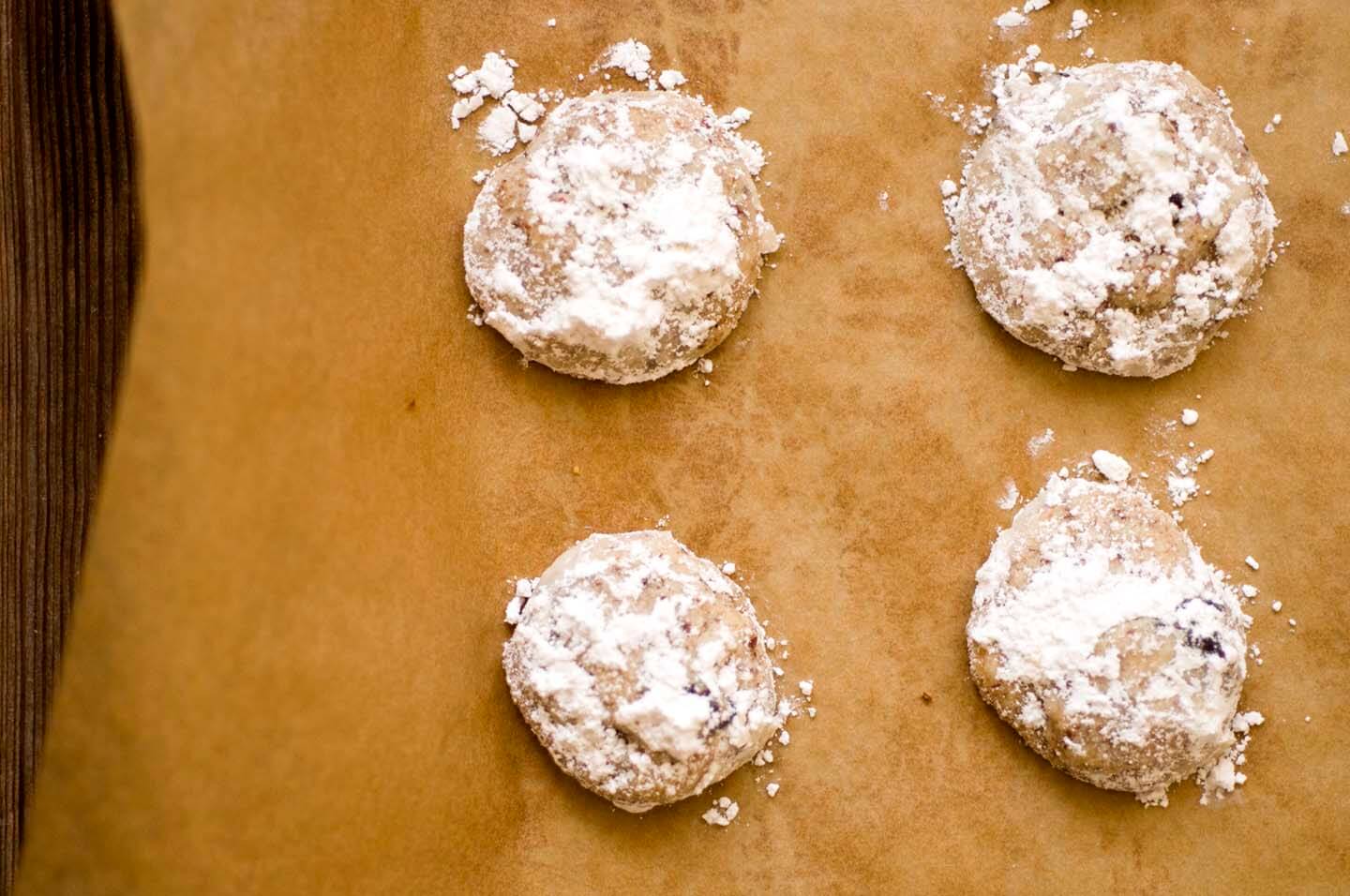
Ratios and cherry almond cookies
I’m an improvisational cook. This means that I’ll take stock of what I have in the kitchen and then create dishes from what’s available. This method usually works if I’m making savory dishes, but when it comes to baking I’ve had less success. (We won’t discuss the time I spontaneously threw in steel oats, cayenne, and sea salt into a chocolate cookie recipe.)
Baking calls for precision, which I lack. For a long time I’ve wondered if there were basic formulas for making pastries, something I could use to make up my own recipes, if say, I wanted a steel oat and sea salt cookie to actually be edible. So when I heard about Michael Ruhlman’s latest book, Ratio, I knew this was the information I’d been looking for.
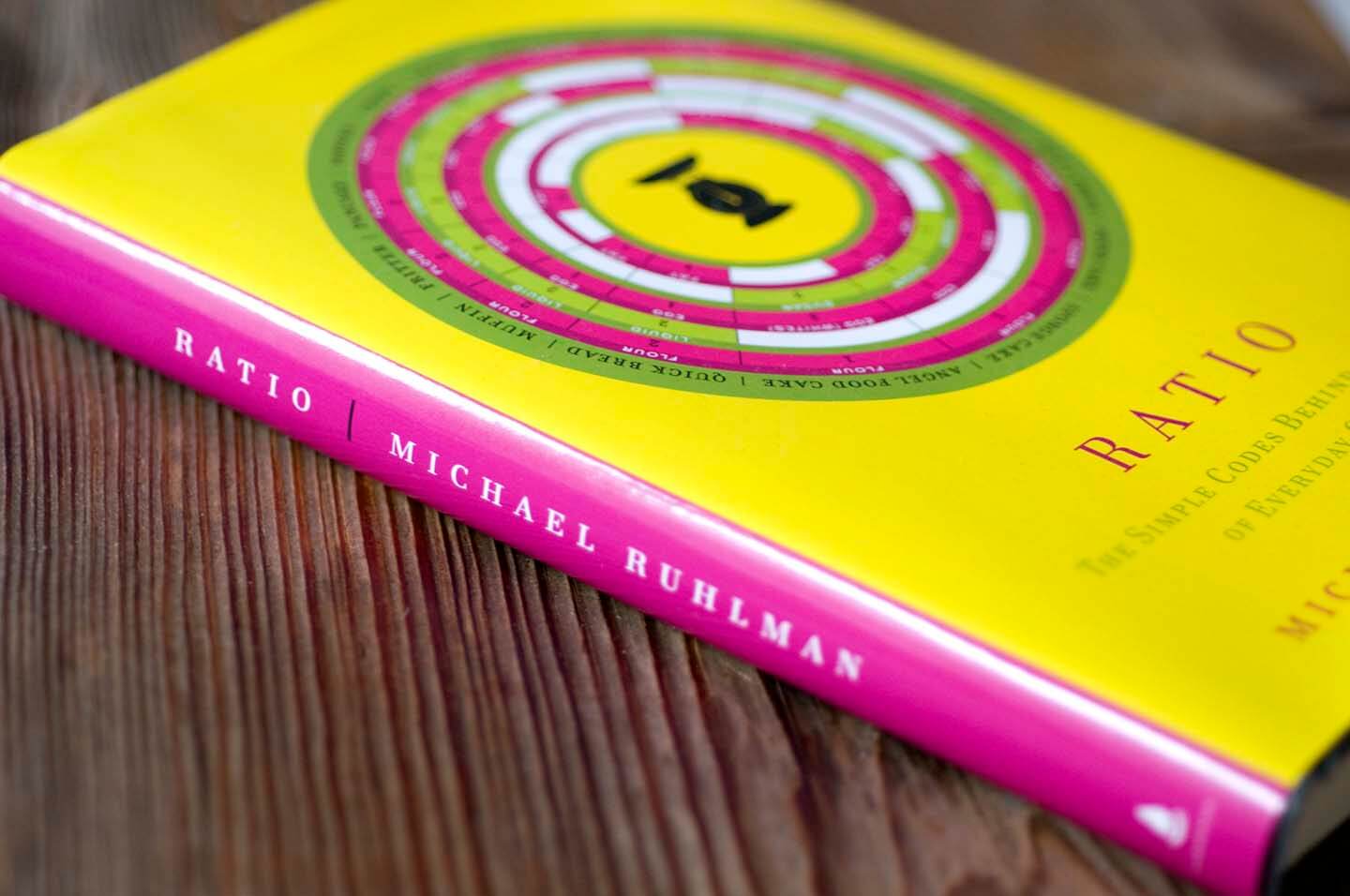
A professor of Ruhlman’s at the Culinary Institute of America (CIA) presented him with the initial ratio concept, which takes certain foods and reduces them to their basic essence. For instance, let’s look at pie crust. Its ratio is 3 parts flour: 2 parts fat: 1 part water. So no matter if you’re mixing butter and lard with wheat flour and ground pecans, or shortening with oat flour and buckwheat, by using these exact proportions of fat to flour to water you should have a crust that works.
Besides his pastry section—which covers all doughs and batters—he also shares the ratios for stocks, farcir (a fancy term for sausages), sauces and custards. And while he provides measurement conversion from weight to volume—ounces to cups—you’ll learn that it’s more accurate to use a scale.
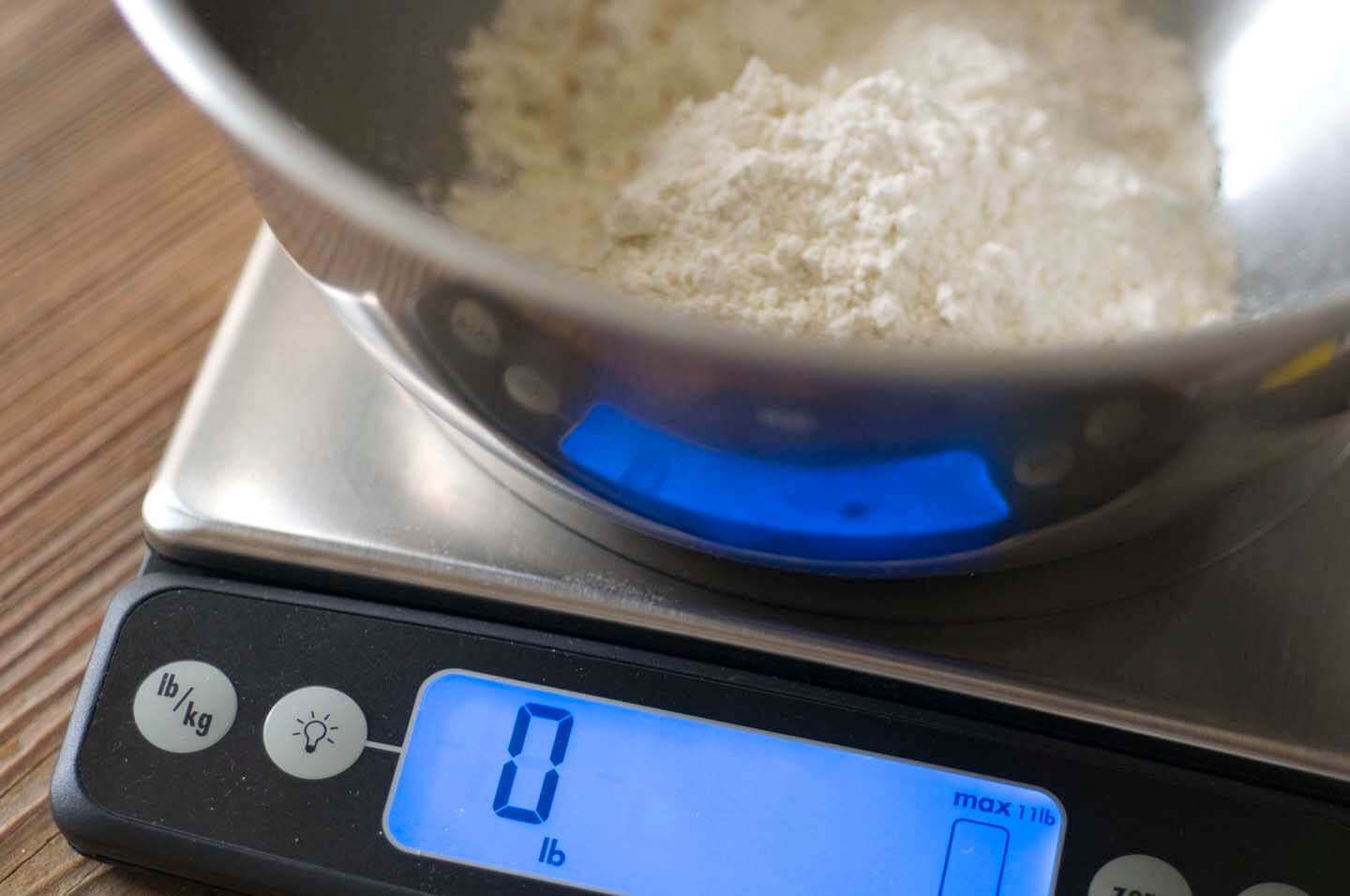
Now that I had Ruhlman’s ratios on hand, I decided to put them to work. I wanted to make a shortbread cookie in which the ratio is 1 part sugar: 2 parts fat: 3 parts flour.
I placed a four-ounce stick of butter in a bowl on top of my new toy—my kitchen scale—and then creamed it with two ounces of powdered sugar. I had some almond flour around, so I threw in three ounces of that and then three ounces of wheat flour. To jazz up the cookie a bit more, I added a pinch of salt, a pinch of nutmeg and an ounce of chopped dried cherries.
I know that I’m prone to exaggeration, but believe me when I say that this dough was a dream to work with as it wasn’t too sticky nor was it too dry. It was just right. And the cookies baked beautifully. Still unsure about this wonderful cookie I’d made without a recipe, I took them to a group of people with very discerning palates—my coworkers. I explained to them how I’d baked with ratios and not a recipe and I needed their honest opinion on the cookies. They ignored me, however, and managed to finish the whole batch in record time. I reckon this means that my ratio cookies were indeed delicious.
Cherry almond cookies
Ingredients
- 2 ounces powdered sugar plus more for coating cookies (1/4 cup)
- 4 ounces unsalted butter, room temperature (1/2 cup)
- 3 ounces almond flour (1/2 cup)
- 3 ounces all-purpose wheat flour (1/2 cup)
- Pinch of salt
- Pinch of nutmeg
- 2 ounces dried cherries, chopped (1/4 cup)
Instructions
- Cream the butter and the sugar and then mix in the flour, salt, nutmeg, and dried cherries.
- Form the dough into a log, and refrigerate for a few hours or overnight.
- Preheat the oven to 350° F.
- On a greased cookie sheet or one lined with parchment paper or a Silpat, form the dough into 1/2 tablespoon-sized ball, placing each ball about an inch from the other. Bake for 15 minutes.
- Let cool for 5 minutes, and then dip cookies into powdered sugar.

I do use a scale. And, it comes in very handy with metric measurements in recipes. I’m baking from Dan Lepard’s Baker and Spice exceptional cakes today, and instead of converting I just weigh ingredients. And, your cookies sound great!
your cookies look great! I love buttery cookies.
So now, I need to get that book, and a kitchen scale pronto.
Like you, I’m so not a baker nor accurate cook. But since I’m married to a food stylist there are some tools that have made my life so much easier. A kitchen scale is one of those things. It has saved my life so many times and taken the guesswork out of so many recipes. Yea, I don’t know why more people don’t use them.
Can I have a cookie?
I’m like you — I improvise when cooking but not when baking. I just finished reading this book and made bread from it and I felt free to get creative. Love this book! And now I must try cookies. 🙂
Hi Lisa, This is going to sound like a dumb question, but just to clarify — for the wheat flour, do you mean regular all-purpose flour or whole wheat flour or whole wheat pastry flour? I’m assuming you mean all-purpose, but sometimes people refer to whole wheat flour as wheat flour and I want to make these right. Thanks!