
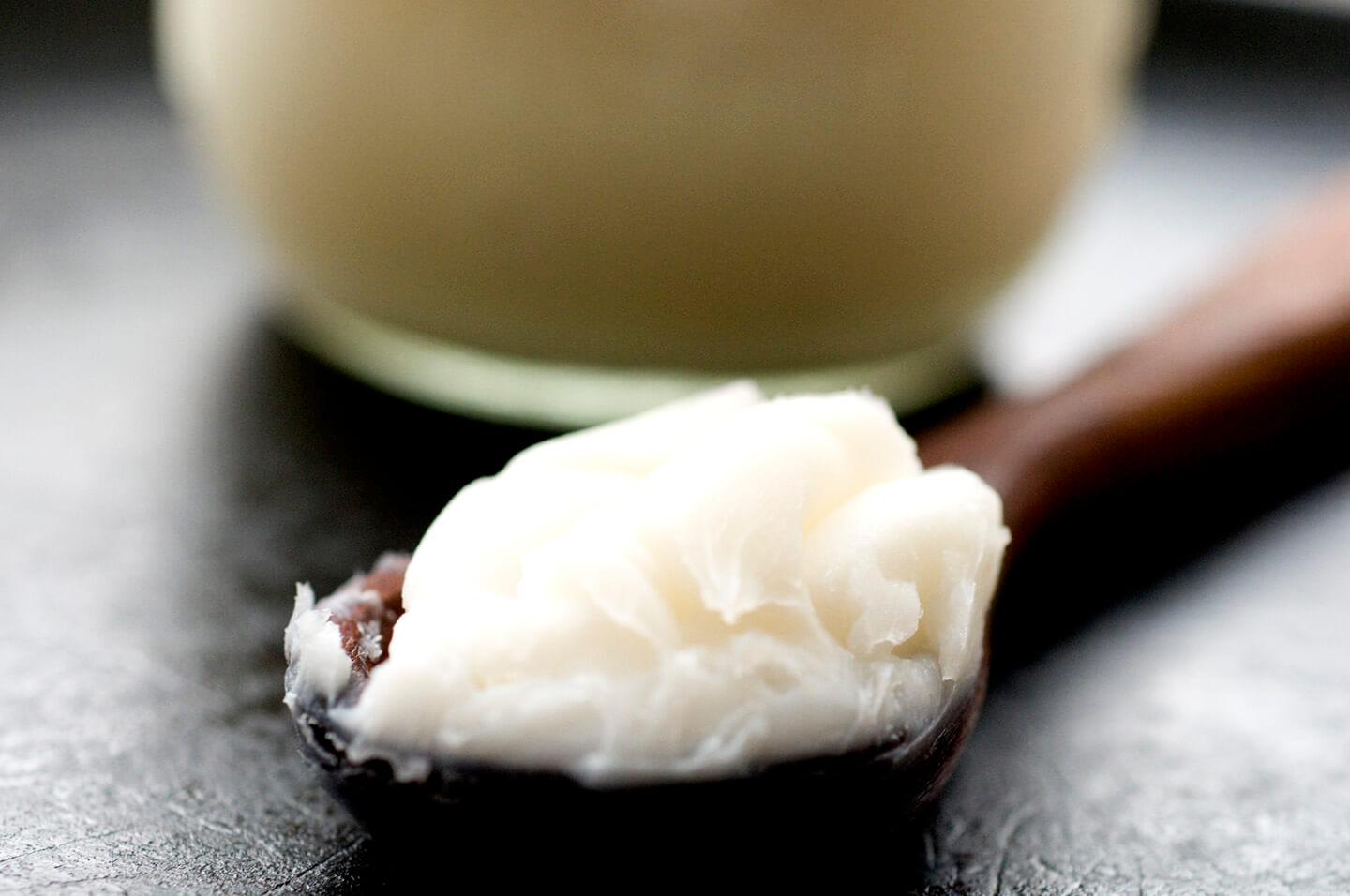
How to render lard
Lard. I have to admit that for most of my life that I’ve been terrified of the stuff. Be it schoolyard taunts that used the word, or the absence of it at both the grocery store and in my childhood home—I believed that it was bad news and something to be avoided.
A few years ago, I embarked on a quest to teach myself how to make flour tortillas. The first recipe I found listed lard as a key ingredient. I was scared at first, but I sought out a pound of it as my love for flour tortillas triumphed over my fear of pig fat. And while that initial foray into flour tortillas proved futile, I did discover that lard isn’t so bad, in fact, often it’s my preferred fat of choice.
People think that cooking with lard will make everything taste of pork, but this is not true; its flavor is neutral. What it does, however, is create incredible texture and structure. With lard, you’ll fry chicken that is both moist and crisp. With lard, you’ll make a tender pie crust that flakes. With lard, you’ll make airy French fries that crunch. With lard, you’ll cook refried beans that caress your mouth like velvet. With lard, you’ll steam tamales that are soft and fluffy. And with lard, you’ll bake ginger cookies that snap.
But the best thing about lard is that it’s not bad for you. It has less saturated fat (the bad fat) than butter, while it also has more than twice as much monosaturated fat (the good fat) than butter. And it has none of those pesky trans fats—that is, if it hasn’t been hydrogenated to prolong its shelf life.
And that, my friends, is the problem. Most lard you find at the grocery store has been hydrogenated to make it shelf stable indefinitely, which robs it of its good qualities. Some butchers will sell freshly rendered lard that has not been hydrogenated (clue: if it’s not refrigerated than it’s not the good kind of lard), but it’s also quite simple to render it yourself.
For years, I heard stories about how difficult and malodorous the lard-rendering process was. My opinion changed, however, after a visit to my grandparents’ farm last August. As we were looking through old family albums, I found a fantastic photo of my great-grandfather standing outside stirring a large cauldron with a long stick. The caption? “Dad rendering lard. Dec. 1940.” It seems that lard was the fat of choice for both my grandparents growing up, and when I looked through some old family recipes, I saw that indeed many of them called for that fat.
When I returned to New York I decided it was time to render my own lard. And after a visit to the Union Square Greenmarket to pick up some pig fat, I was well on my way to being in hog heaven.
If you’ve never rendered lard before, trust me, it’s very, very easy. And the best thing is that when you’re done you can look at your supply of white, luscious fat and have a blast dreaming of the culinary possibilities each jar contains.
How to render lard
Ingredients
- A pound of pig fat, either leaf lard or fat back
- A big pot
- A lard stick or wooden spoon
- Water
- 2 pint-sized Mason jars
Instructions
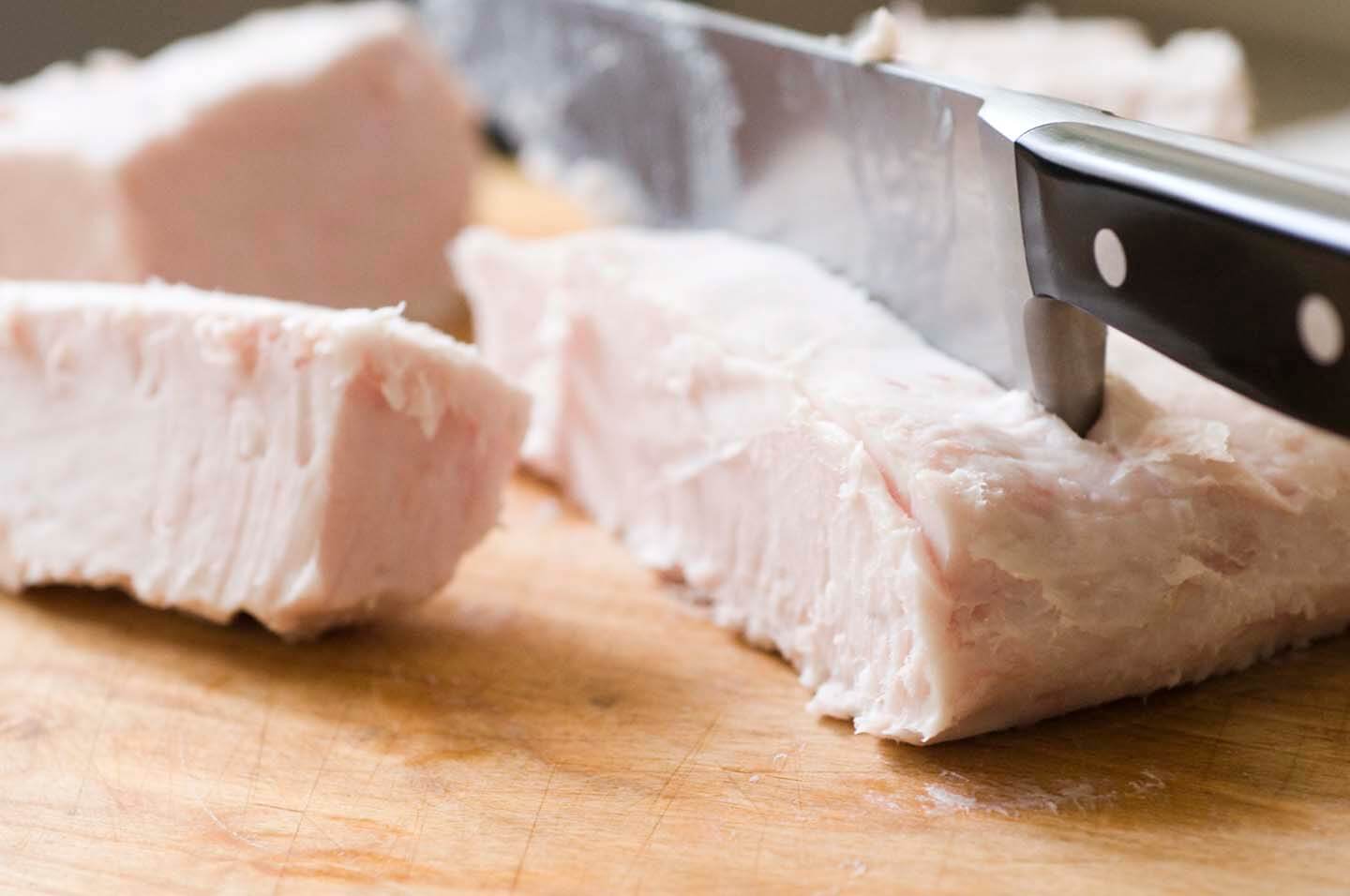
- After buying your fat, preferably from a farmer or butcher that treats its hogs humanely, chop it up into little pieces. Before cooking, I advise that you open you kitchen window.
- In a Dutch oven or heavy, large pot, add about a half of a cup of water to the pot, and then add the cubed fat. On the stove, heat the pot on medium low, stirring occasionally (every 10 minutes).
- After the fat starts melting (about an hour), you’ll hear some very loud pops. Do not be alarmed—that is just the last gasp of air and moisture leaving what will soon become cracklings (little fried pieces of pork). Now is the time to start stirring more often.
- Soon after, the cracklings will start floating on the surface. Keep stirring frequently, but be careful—you don’t want the fat popping out of the pot and burning you. When the cracklings sink to the bottom, the lard has been rendered.
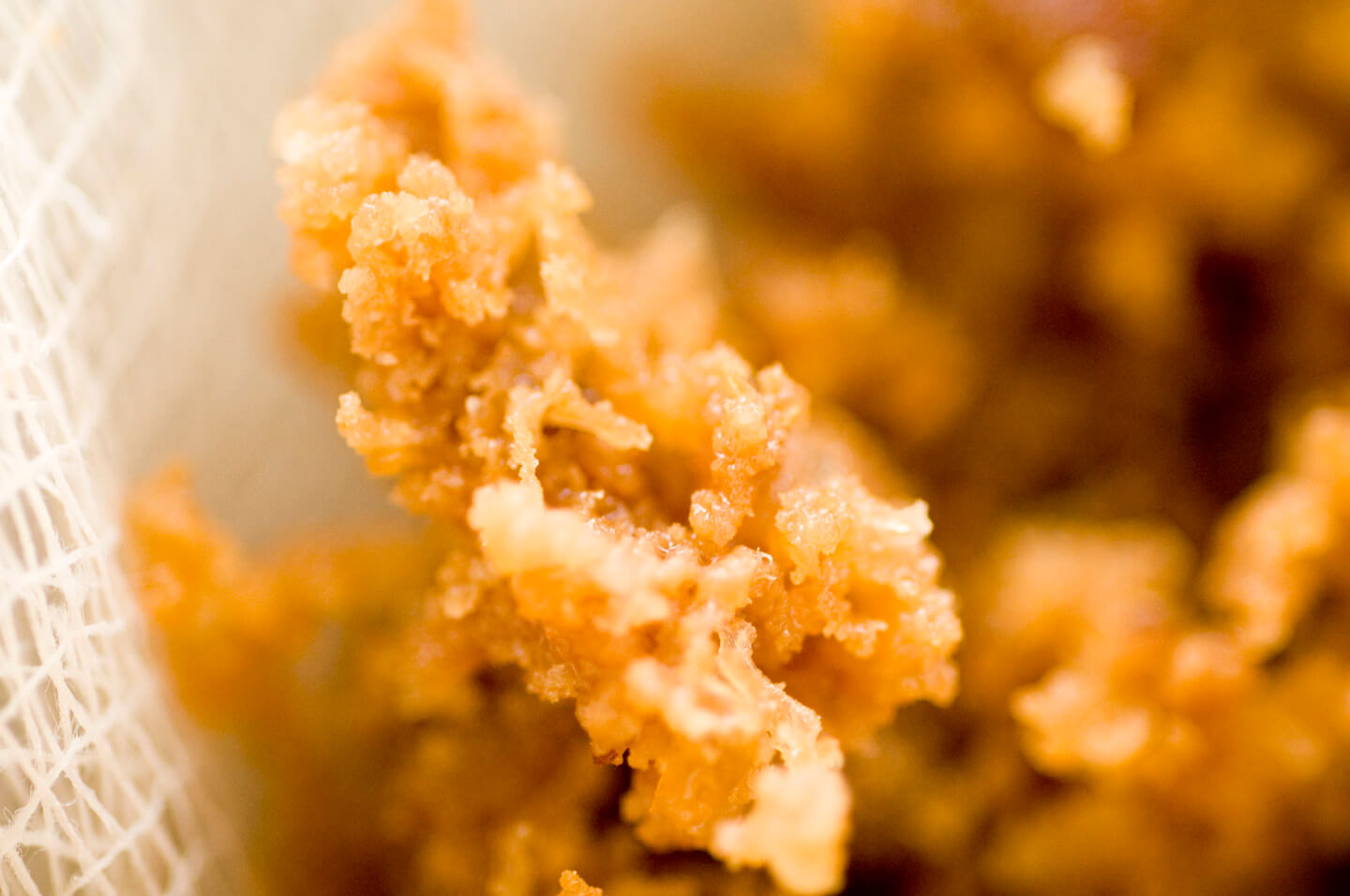
- Let it cool, and then pour it into containers through a colander or strainer lined with cheesecloth. The cracklings will be left behind in the cheesecloth and these make for a fine, fine snack, especially sprinkled over salad if that’s not too perverse for you.
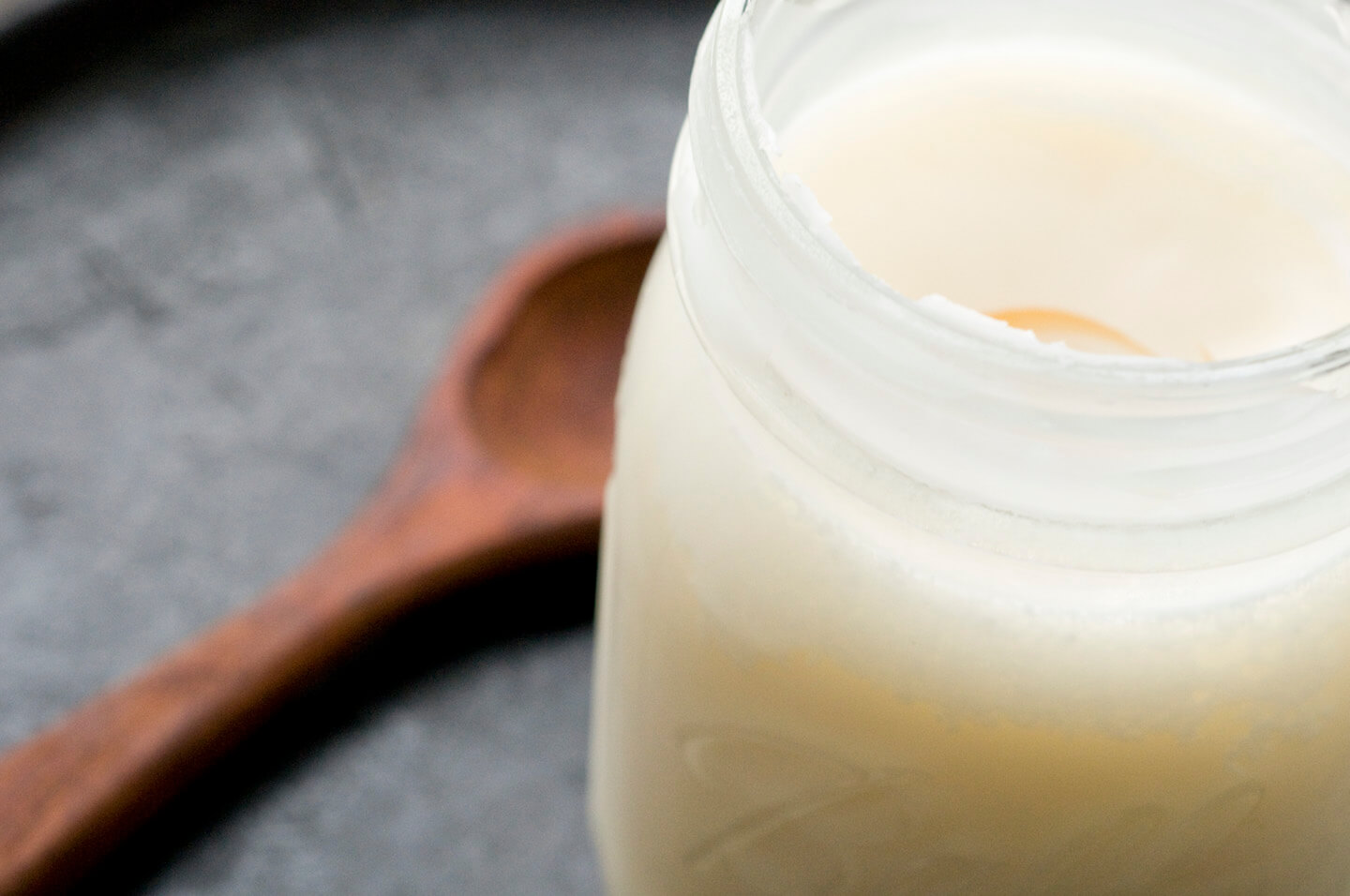
- The lard will be a yellowish liquid. This is what it’s supposed to look like.
- Refrigerate it overnight and when it solidifies it will turn white. It will keep in the refrigerator for about 3 months, and the freezer for up to a year.

T O R T I L L A C H I P S
fried in lard are unbelievably good!
@lissa: funny, I made tex-mex cheese enchiladas last night with 1/2 butter 1/2 olive oil, wishing I had lard instead.
Lisa, you are my hero. And probably Homer Simpson’s too. I’m so blown away by your adventurous cooking streak.
We are moving to a place with a windowed kitchen this summer. I will take this recipe with me!
Rachel–You’ll love it!
AK–You can read about my adventures with flour tortillas. here
Mike–No question indeed–it makes the best fried chicken ever!
Karina–Yep, and it’s not bad for you either. Spread a little lardo on bread with some salt–mmmmm!
Christine–Noodles and cracklings? What a combination! I wonder how they’d taste on top of macaroni and cheese?
Tisha–People just don’t understand, but I find if you don’t tell them how you made it they’ll agree it’s the best pie crust they’ve ever had.
Bacon Heather–With a name like Bacon Heather I would be sorely disappointed if you didn’t render your own lard!
TejasJeff–It is a shame it’s difficult to find the good lard. And I’ll have to try your butter technique.
Anita–You’re welcome! And it’s funny but kidney fat is in greater supply at the US Greenmarket than back fat. Not that I’m complaing.
Kathy–Yes! My grandma still has those old lard cans in the attic. I want one!
Traci Anne–You can read about flour tortillas here and fried chicken here. And I bought my fat from the Flying Pigs Farm–they’re there on Saturdays.
Cat–Yep, keeps for a few months and even longer in the freezer.
Michelle @ TNS–I keep a jar of bacon fat in the fridge too, but you’re right, sometimes you just need the texture and not the flavor. Pork fast is the best!
Tiny Morsels–A barrel full of lard at a pirate store? I’ll have to go there next time I’m in SF.
AT–Awwww, thanks! I try.
Brave Sir Robin–Glad to help. And I can’t even bear to eat beans without pork fat and sadly so many places don’t use it today for “health” reasons.
Lissa–I don’t remember what he recommends, but most methods for rendering lard in the oven still insist you stir it often, which means you’re always opening the oven. That seems silly so I’m happy with the stovetop method–if you pot is tall enough you won’t have a problem.
Frantic Home Cook–It’s interesting how our great-grandparents knew best.
Brin–A big Texas howdy right back at ya! And now that I have some fresh lard, looks I need to make some fried chicken this weekend!
Ginny in Fort Worth–It costs more, but it’s worth it. Happy animals not only taste better but your also supporting people to treat them the right way.
Lee– Why have I never fried tortilla chips in lard before? Duh! I’m doing that tonight!
Wow, I never thought I’d crave lard but you succeeded in making me want to do this. Do you keep the pot covered in between stirs or does the popping not splatter?
I bet the Greenmarket guy this weekend will be wondering why he sells out of fat so quickly as I am sure all your NY readers will be running there!
I bought some lard when I was home (San Antonio) in March and have been wanting to try Robb’s chili gravy using it…have you done so and did it make a difference? For some reason I just can’t get the right color or consistency using oil or crisco….I’m hoping lard will do the trick! I’ve been defending lard for years…but have had such a hard time finding it! I’m needing a cheese enchilada fix REAL bad:-)