
Independence and chicken-fried steak
“Only a rank degenerate would drive 1,500 miles across Texas without eating a chicken-fried steak.” —Larry McMurtry
It’s been said there are three food groups in Texas: Tex-Mex, barbecue, and chicken-fried steak. And as chicken-fried steak is also known as the (unofficial) state dish of Texas, I can’t think of anything more appropriate to serve on March 2, Texas Independence Day. (In case you’re wondering, this day marks our freedom from Mexico in 1836, which was the beginning of Texas’ nine-year stint as a sovereign nation before it became part of the United States of America.)
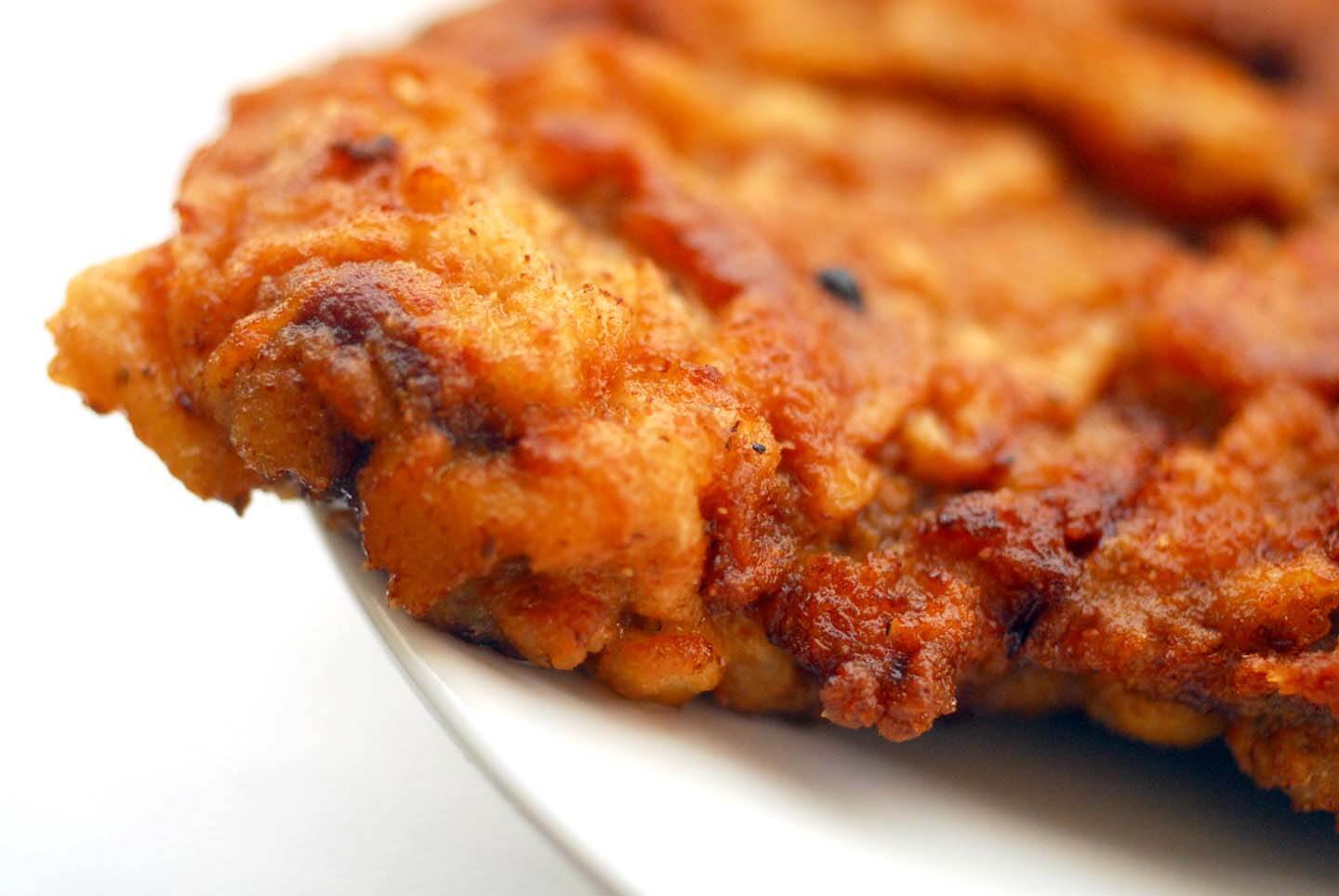
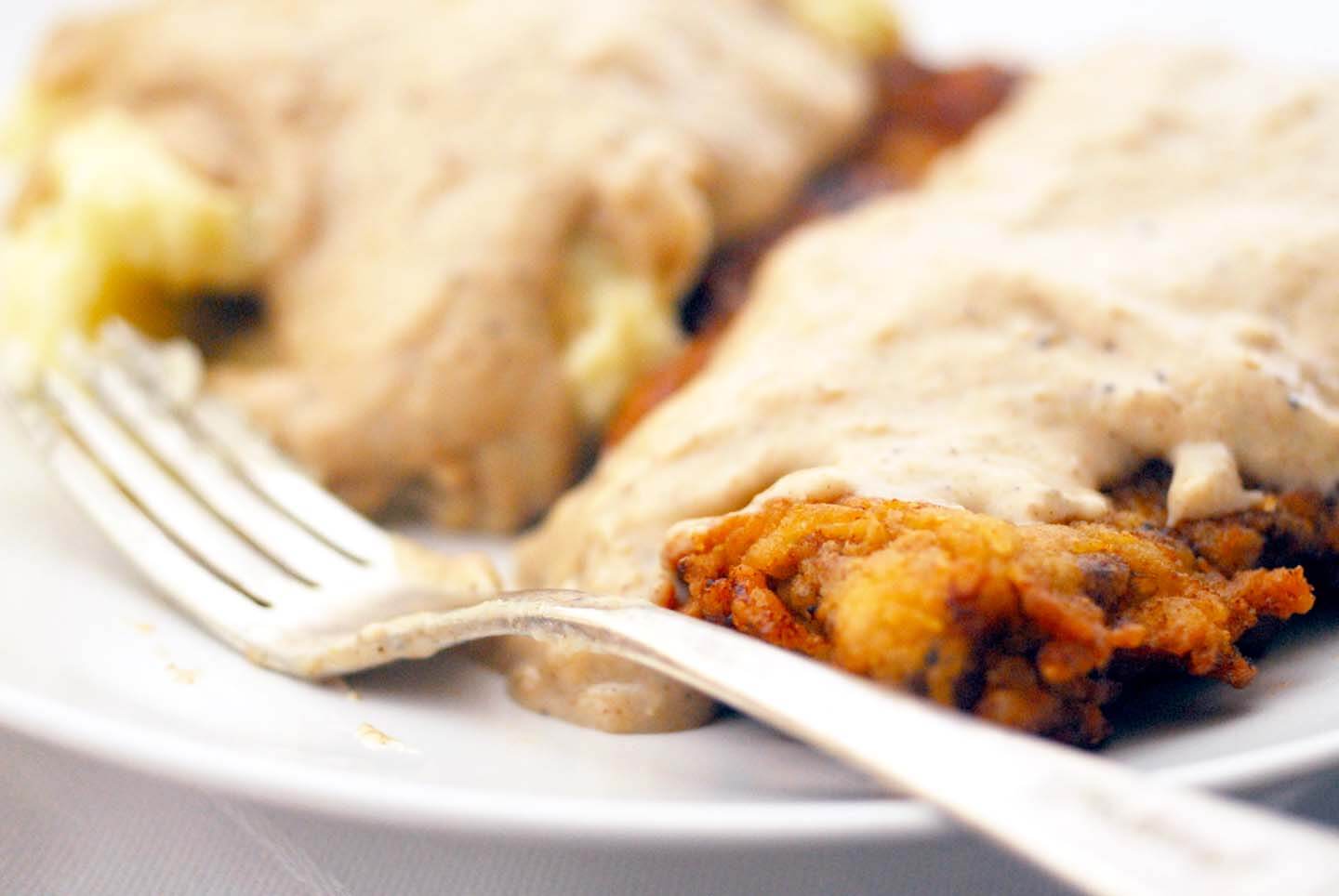
While many foods hold sway over my heart, none (except for my beloved refried beans) reigns supreme more than chicken-fried steak, which is neither chicken nor steak (at least in the dry-aged, marbled-slab of prime beef sense of the word). This Texan delicacy is a cutlet of tenderized top-round beef, battered and fried in a skillet (much like fried chicken, hence the name, though there is also chicken-fried chicken, to further confuse non-Texan eaters), and served with cream gravy.
In other parts of the country, you may see it labeled country fried steak, but a Texan would never call it that—it’s always chicken fried to us. While the first time the term appeared in print is said to have been in the early 1950’s, I have it on good authority that people were eating it long before then.
If chicken-fried steak sounds suspiciously like Wiener schnitzel, you are correct in your assumption. German immigrants to Texas are credited with crafting this variation, but instead of using veal, these early Texans made it with the more readily available beef. And as the cuts of meat were a bit tough, the process of tenderizing, battering, frying and coating it in gravy rendered it more palatable.
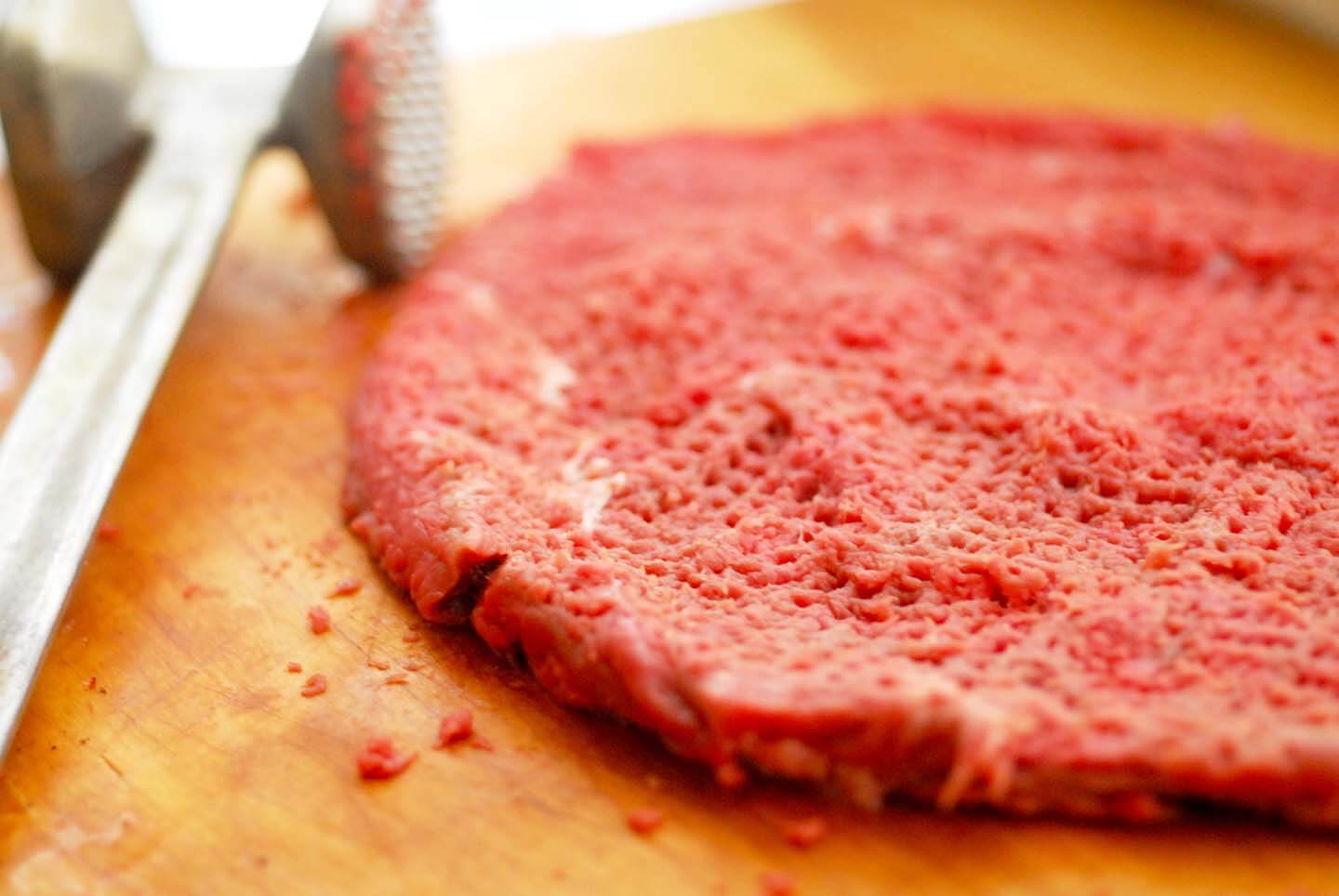
When I’ve spoken of chicken-fried steak to the uninitiated, people always get hung up on the choice of beef: “Wouldn’t it be better if it were made with, say, a porterhouse?” they’ll ask. But they’re missing the point. I don’t want to put you off and say it tastes like shoe leather (which its detractors are wont to complain), but after beating the beef and frying it up, there is just no advantage to using prime steak. Much like chili or barbecued brisket, chicken-fried steak was a tasty and innovative solution to only having not-so-choice beef on hand.
It’s not often found on menus here in the Northeast, and when it is, usually it’s a frozen, breaded cutlet, coated in either mediocre cream gravy, or even worse, brown gravy. I did see it on the menu once in Chicago, at a place I no longer remember the name. I was there on business and was having lunch with my colleagues. Of course, I was determined to try it and convinced the others at the table they should order it as well. “It’ll be a taste of Texas,” I said, “but please don’t blame me if it’s a poor interpretation.”
Everyone bravely followed my lead, and fortunately, it wasn’t a bad rendition—it was freshly fried and surprisingly delicious. Most enjoyed their chicken-fried-steak dinners, save for one grump who found it inedible. “Why did you make me order this?” she said. “It’s not steak, it’s just bad beef covered in batter.”
She was mistaken—it’s so much more than that. But that negative view comes with the chicken-fried-steak territory: you have to know that there are a select few who just don’t get it. But that’s OK because it leaves more for the rest of us.
All Texans have their favorite chicken-fried steak and I’m no exception: mine is my dad’s. His version was my introduction to the dish and I was fortunate as a child to be able to eat it at least once a week. I knew dinner was going to be divine if I came home to the smells and sounds of chicken-fried steak frying in the pan.
And while I’ve had hundreds of different chicken-fried steaks since, his is still superior to all others. He is renowned for his recipe and method, a craft he learned from his mother, who learned it from her mother. So not only is his the best, but it’s also part of my culinary legacy—a fine inheritance, if I don’t say so myself.
Now before I outline how to make it, a few words of caution. The preparation of chicken-fried steak is a violent, messy and dangerous affair. Do not be afraid of small chunks of meat flying from your tenderizer and adhering to your walls. Do not be afraid of being covered head to toe in a paste-like mixture of flour, batter and grease.
And do not be afraid of hot oil splattering and some screechy sizzling as you flip the steaks in the skillet. Be patient: in the midst of this bloody battle, this culinary chaos, you will ultimately find both the beauty and order that is a plate of chicken-fried steak covered in cream gravy.
If you still have reservations about chicken-fried steak, consider these words from the late Fort Worth Star-Telegram columnist Jerry Flemmons: “As splendid and noble as barbecue and Tex-Mex are, both pale before that Great God Beef dish, chicken-fried steak. No single food better defines the Texas character; it has, in fact, become a kind of nutritive metaphor for the romanticized, prairie-hardened personality of Texans.” High praise, indeed!
I now leave you with a recipe for this dish, which through hard work and culinary ingenuity catapults a cut of gristled beef from its rough-hewn, lowly beginnings to delectable and iconic heights. And since this edible evolution embodies the hardscrabble, self-sufficient and creative spirit of Texas, I’d say chicken-fried steak is definitely the perfect dish for Texas Independence Day.
Chicken-fried steak
Ingredients
- 1 1/2 pounds top-round steak
- 1 1/2 cups all-purpose flour
- 2 teaspoons kosher salt
- 2 teaspoons black pepper
- 1/2 teaspoon cayenne
- 3 large eggs, beaten
- 1/2 cup milk or buttermilk
- Lard or vegetable oil for frying
- Cream gravy, for serving
Instructions
- Cut the top-round steak into 4 pieces. Pound beef with a meat tenderizer until flattened and almost doubled in size. Lightly season the meat on both sides with half of the salt and pepper (1 teaspoon of each for all the meat).
- Place flour in a large bowl and add the remaining salt, black pepper, and the cayenne. Taste and adjust seasonings. In another large bowl, mix eggs with milk.
- Take a piece of the tenderized beef and coat in flour. Dip the coated beef into the egg mixture and then dip back into the flour again. Repeat for each piece of beef.
- In a large skillet, preferably cast-iron, heat 1 inch of oil to 300°F. Take the pieces of coated beef and gently place into the skillet. There will be a lot of popping and hissing, so be careful. After about 3 or 4 minutes, or when the blood starts bubbling out of the top of the steak, with tongs gently turn over the steaks and cook for 5 more minutes.
- Remove from skillet and drain on a paper-towel-lined plate. While cooking remaining steaks, you can keep cooked steaks warm in an oven set at 200 degrees.
- Serve with cream gravy.

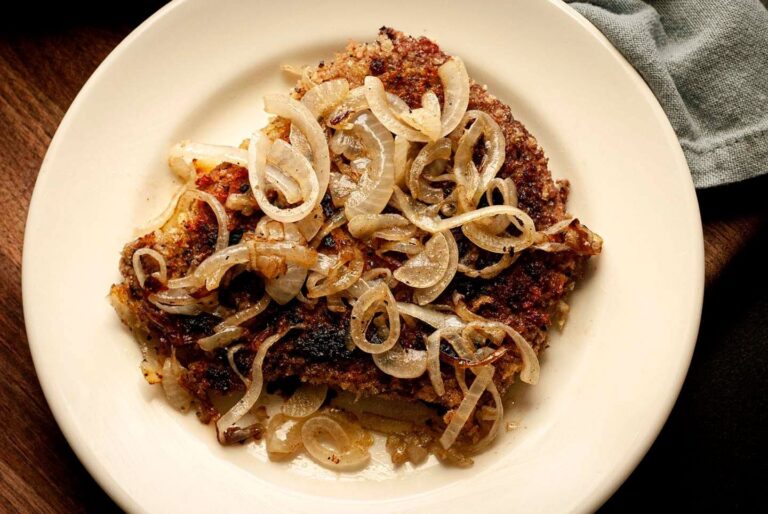
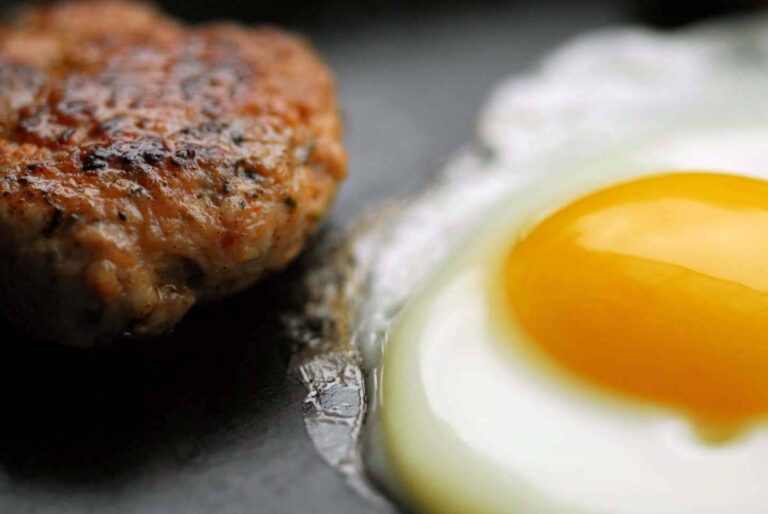
Oh and we recently found out that Chicken Fried Steak is covered in cream gravy, while ‘Country’ fried steak is traditionally covered in brown.
I’ll take Chicken Fried Steak anyday.
Happy Texas Independence!
Expat trapped in Washington DC, here. This recipe is almost exactly what we do at home: we like buttermilk in a breading, buttermilk makes just about everything taste better.
And if you make this, with beaten biscuits on the side, you can work out a tremendous amount of pent-up aggression! And then get some gravy therapy on the side. What’s not to love?
I’m having a massive problem with the refried beans myself. Around here there are a lot of salvadoreans – refried red or black beans are available, but not decent pintos. I have resorted to making them myself. Bought a can of manteca just for the purpose. MMMMMMmmmm. Refried beans. I really do miss the ones at El Pato in the Rio Grande Valley, however. Down there a decent tamale or a good side of refrieds is ubiquitous. Would that I were there now. . . .
Keep on hunting for that bliss! Somewhere in New York there has to be a lonely, cold Mexican expat with a can of manteca. You just need to find her cafe!
I am a first time reader of you blog and love it. I am from Texas and know what you mean about missing all the great food. I also use only my father’s version of how to make chicken fried steak and just thought I would share what he always did. Of course we always used tenderized steak or cutlets and he would have a dish of flour with salt and pepper and a little garlic powder in it. Then he would have another dish filled with water and he would put ice cubes in the water to make the water very cold. Put the meat in the cold water and let it sit a little while, then take out and dredge in the flour. Immediately put the steak into the hot oil and fry it until golden brown and done. This method doesn’t have the thicker breading most do but it has a nice thinner very crispy crust. The cold water has something to do with it. Just thought you might want to try this method once as I am also going to try your father’s recipe.
Good Luck and keep up the great blog.
I’ve found that chicken fried steak is the ultimate comfort food. I’ve actually noticed that if the meat is soaked in buttermilk for 30 minutes or so before dredging, it comes out even more delish!
holy moley!
this was amazing! this was my first time making chicken fried steak and i was more than pleased w/ the results
i made a gravy out of the pan drippings! i was going to save it for later but ended up eating pretty much all of my share.
i will definetly be checking back on this blog when i want good recipes! thanks a million.