
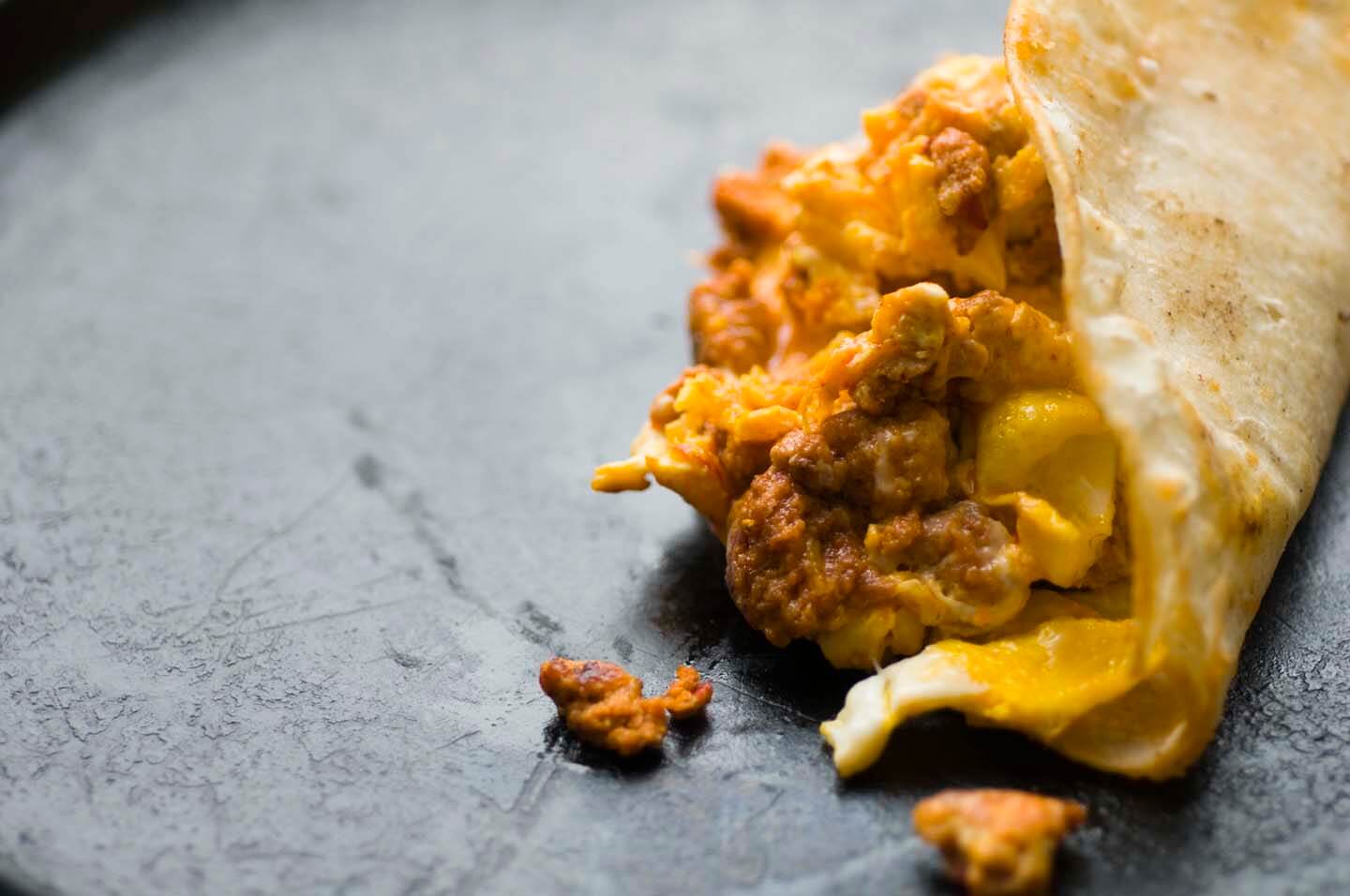
Making my own Mexican chorizo
When I was young and silly, I found a recipe for mussels and chorizo. I loved chorizo—it was that tangy, spicy sausage I ate mixed with my scrambled eggs at my favorite Mexican breakfast joints.
The recipe called for slicing the chorizo, which I did. The chorizo was a little soft and squishy, but I managed to carve out a few pieces.
I threw it in the warm skillet. And almost immediately, the bright-red sausage squirmed free of its casing. Instead of round symmetrical slices of sausage, I had little bits and blobs of sausage. But I wasn’t that disappointed. It still tasted like chorizo should taste and I just thought that I’d bought a badly made batch of chorizo. (I was in Iowa, after all.)
I went back to the store and bought another package, this time checking the expiration date to make sure it wasn’t terribly old. Again, I took it home and tried slicing it. This time, it didn’t even wait until I added it to the skillet before slithering out of its case like a snake shedding its skin.
It occurred to me that perhaps I should read the package and see if it said anything about how to prepare the chorizo. And yes, the package said you were to remove the chorizo from the casing before cooking. I was doing something right. So how were you supposed to have sliced chorizo for the recipe? (Not that I’d ever eaten sliced chorizo in the first place.) “What a stupid recipe,” I thought to myself and proceeded to make tinga with my batch of chorizo instead.
It wasn’t until a few years later that I realized that Spanish chorizo, a slow-cured smoked sausage was probably what the recipe was calling for. Whereas Mexican chorizo—the sausage I grew up eating—is fresh and loose, no smoke or waiting necessary. And this makes it ideal for making at home.
When I made breakfast sausage last year—also a uncased simple sausage—a good number of you shared with me your methods for making homemade chorizo. And even though I can find Mexican chorizo occasionally at my local markets (and always at the Hispanic markets), it’s more bright, more fiery and more fresh when I make it myself.
Vinegar and chiles give Mexican chorizo its distinctive flavor. I choose to use apple-cider vinegar with a puree of ground guajillos, but I know some people who use red-wine vinegar with ancho chiles or white vinegar with paprika. And that’s the beauty of homemade chorizo—it can taste just they way you want.
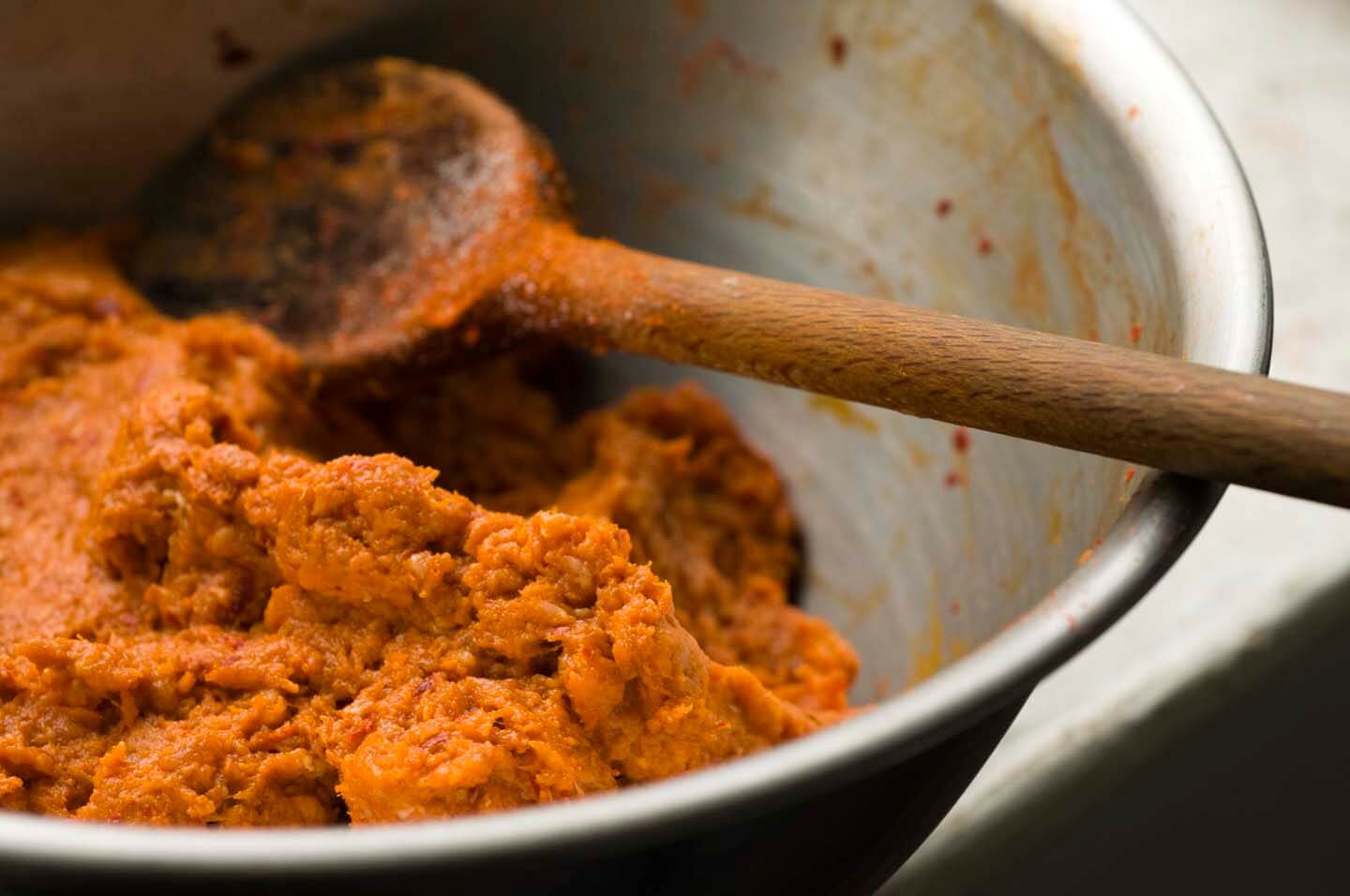
But they best thing about homemade Mexican chorizo is that you don’t have to stuff the sausage into casing. I reckon some people do, but as you’re just going to remove it I really don’t see the point. And sure, the chorizo tastes better after it’s sat around for a while but if you don’t have time to wait, I find that it’s still delicious just after you’ve made it.
Mexican chorizo
Ingredients
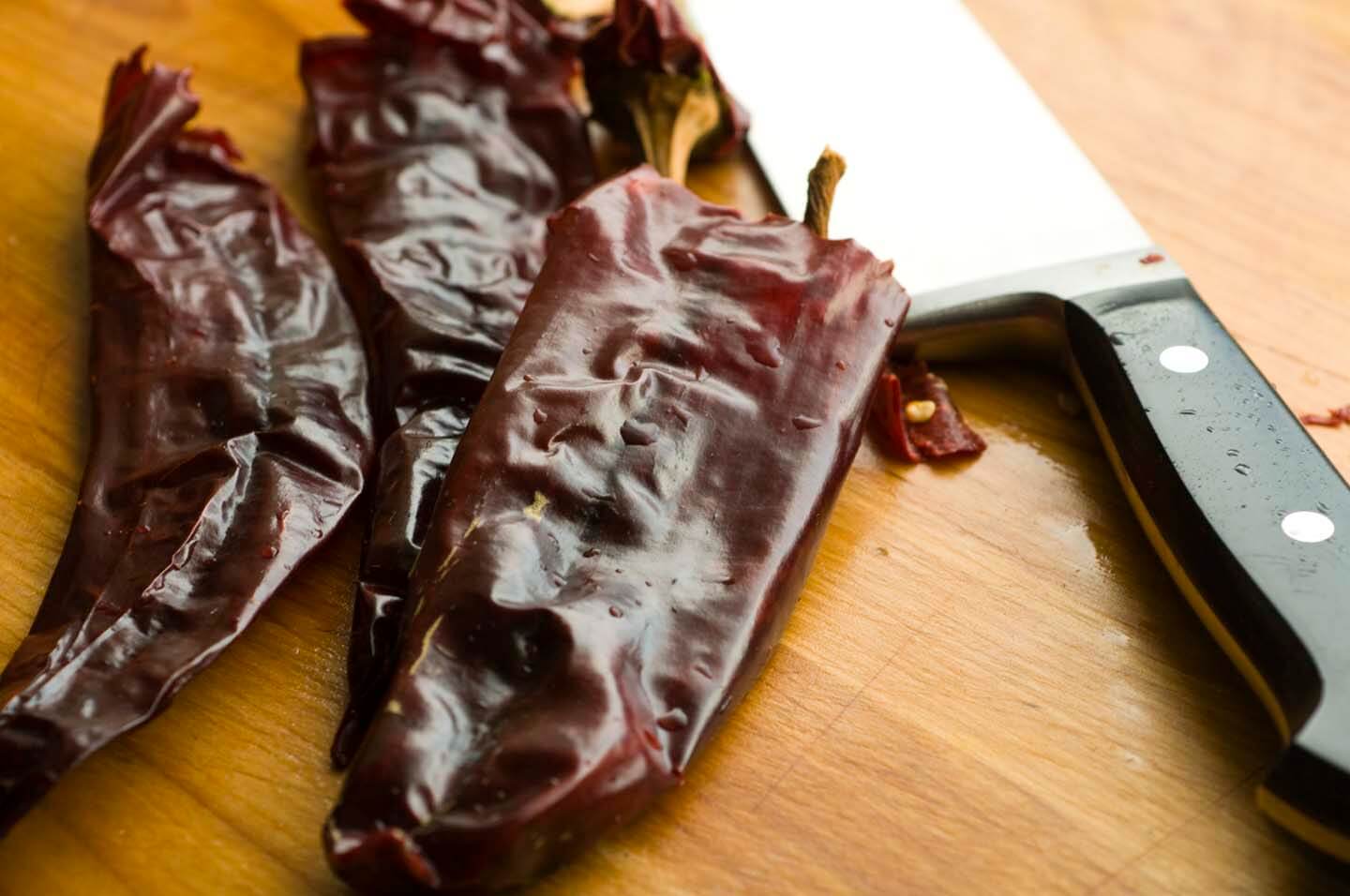
- 3 guajillos, seeded and stemmed
- 1/4 cup apple cider vinegar
- 1/4 medium yellow onion, diced
- 3 cloves garlic, chopped
- 1/4 teaspoon ground cinnamon
- 1/2 teaspoon ground cumin
- 1/2 teaspoon paprika
- 1/2 teaspoon oregano
- 1/4 teaspoon cayenne
- 2 teaspoons kosher salt
- 1 pound ground pork
Instructions
- In a dry skillet heated on high, toast the guajillo chiles on each side for about 10 seconds or just until they start to puff. Fill the skillet with enough water to cover chiles. Leave the heat on until water begins to boil and then turn off the heat and let chiles soak until soft, about 30 minutes.
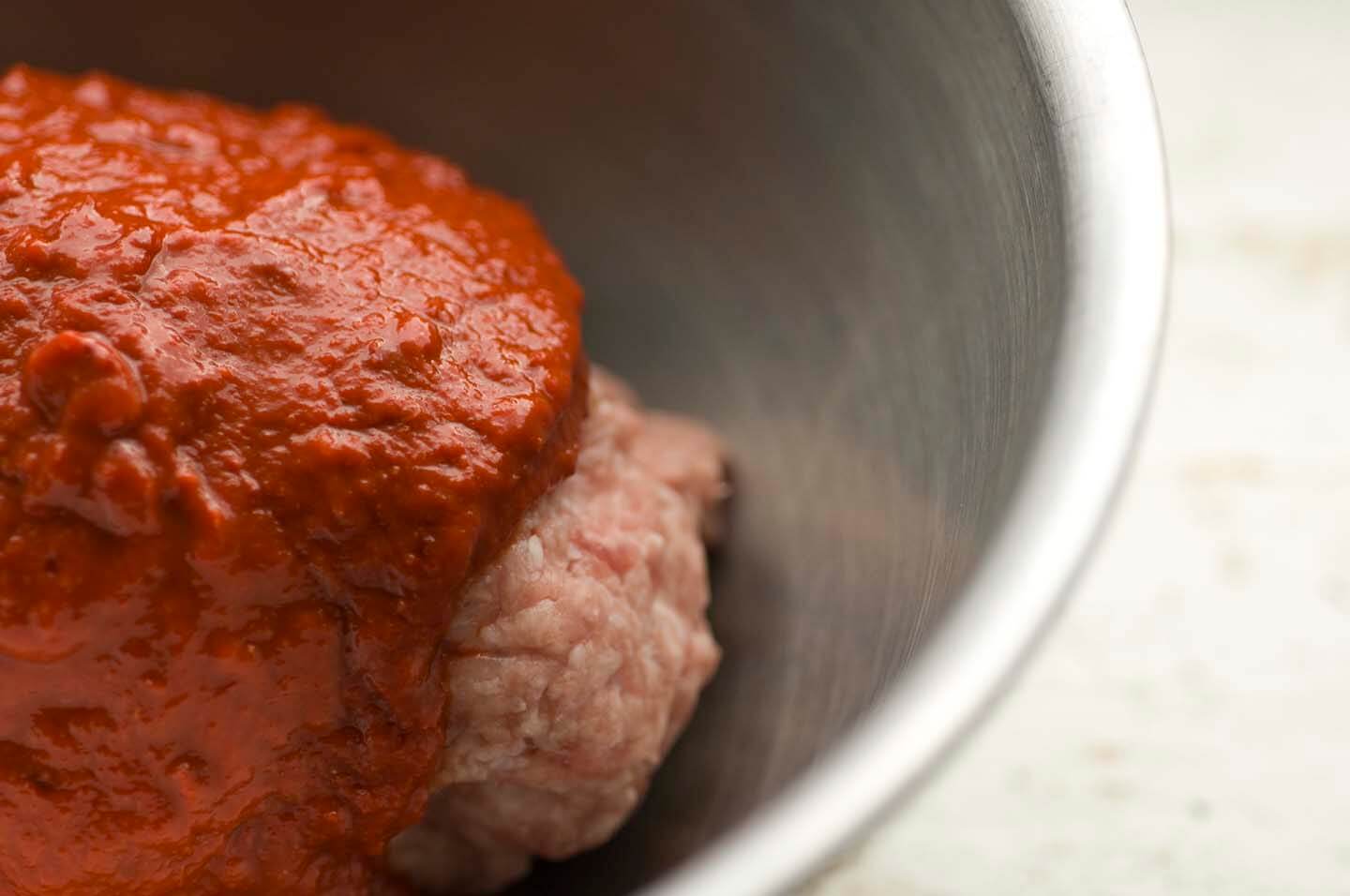
- After chiles are moist, drain and rinse, then puree the chiles and vinegar in a blender, also adding the diced onion, chopped garlic, cinnamon, cumin, paprika, oregano, cayenne, and salt. Puree until a smooth, bright red paste is formed (can add a splash of water or vinegar if it’s too dry to blend). It will look like ketchup.
- Add the chile puree to the ground pork and mix well. To test the flavors, pinch off a small piece and fry it up in a skillet for a minute or so. Taste it and add more spices if needed.
- You can let it sit for a few hours so the flavors will meld, but I find it’s delicious just after making as well. Will keep in the refrigerator for a few days, and it freezes nicely.


Soon, Very soon, I will post my mother-in-laws green chile for you to make there in N.Y. (I know the pain you are in, I also have lived in Texas – you cannot replace the Mexican food there.)
Oh that looks delicious!
I cannot wait to try this! There is just no place to find chorizo in the South! I grew up eating this kind of chorizo and all I can find are poor imitations of it or the spanish type.
Yet another recipe to add to my list! My husband will be delighted!
your blog is so much fun to read. i love all things spicy and, being a northerner, have never had things like real chorizo. i noted that you said to remove the seeds before pureeing the peppers. is that an edibility issue or a heat thing? thank you so much for sharing a style of cooking i would never have known much about.
I was just thinking to go a googling to find recipies for chorizo and while looking for something else I found you blog.
So I’m going to go for fate.
One responder wanted to know about paprika there is a company that is called Chiquilin. I wanted to find where they sold their Bittersweet paprika (which to be honest is to simply to die for) but their mild paprika I think would fit the bill. You can google the company and they will be happy to provide information.