
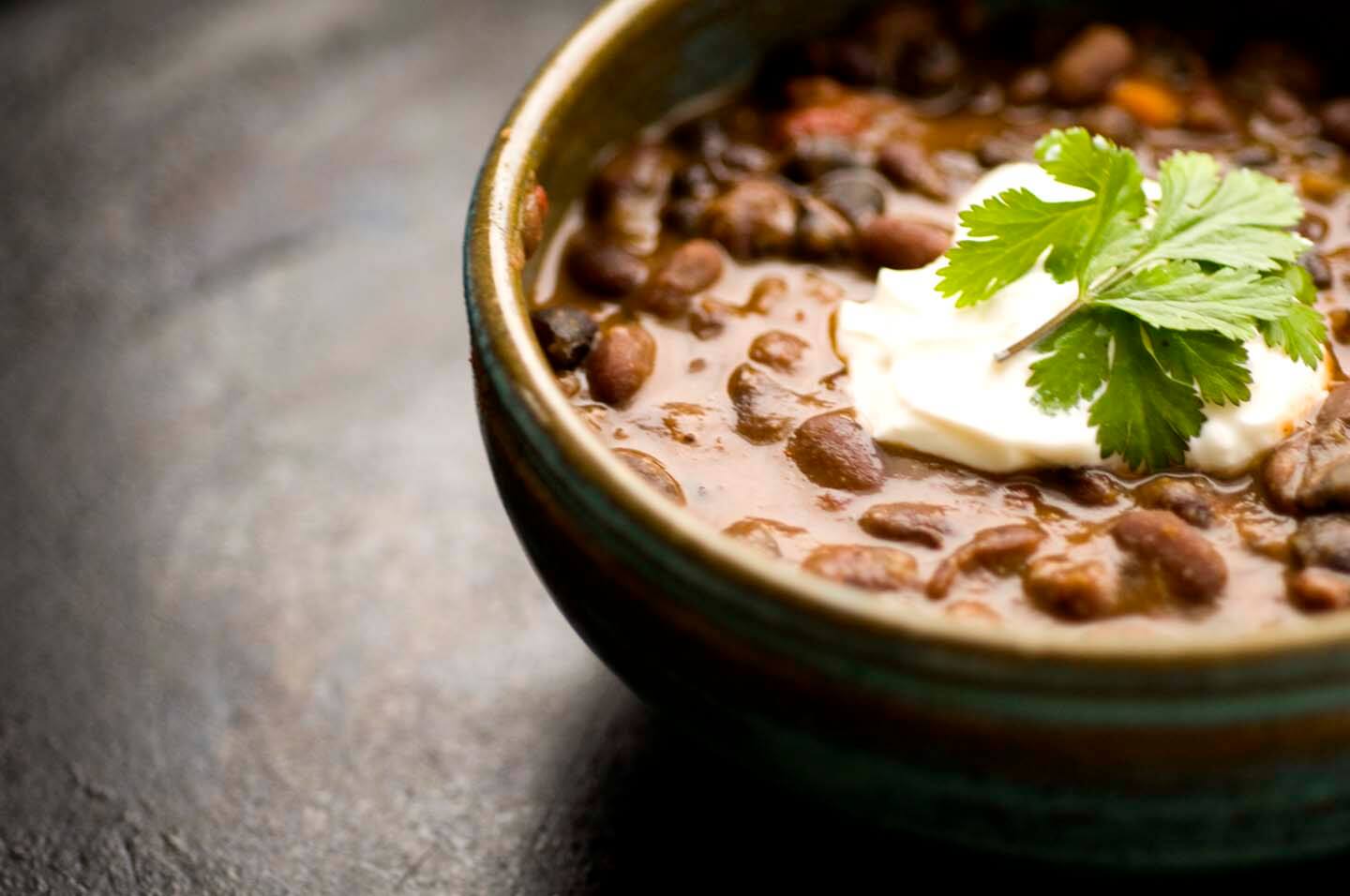
Austin and basic black beans
Now that SXSW is over and my non-Texan friends who attended the conference are back on the East Coast, all I hear from them is, “Where can I get a breakfast taco?” or “Who has the best queso?”
Austin food is addictive, isn’t it?
One of the things I love the most about Texas is its size. Because it spans across several geographical, topographical and climatic zones, naturally there are going to be variations in what people eat in each area. While I would say that the trinity of Texan food—Southern dishes, barbecue, and Tex-Mex—is the same throughout the state, how each region within the state interprets these cuisines differs.
Take Austin and Tex-Mex. After spending years in the Dallas area and Houston, I was already aware that differences could exist between the two Texan cities’ cuisines, so I wasn’t that surprised when I arrived in Austin to see that it, too, did things just a bit differently than other places in the state.
The first thing I noticed was migas. I’ve written about migas before—Austin’s signature breakfast dish of scrambled eggs with cheese, chips and peppers. Every place in Austin serves migas, yet when you leave Austin you rarely see them, if at all.
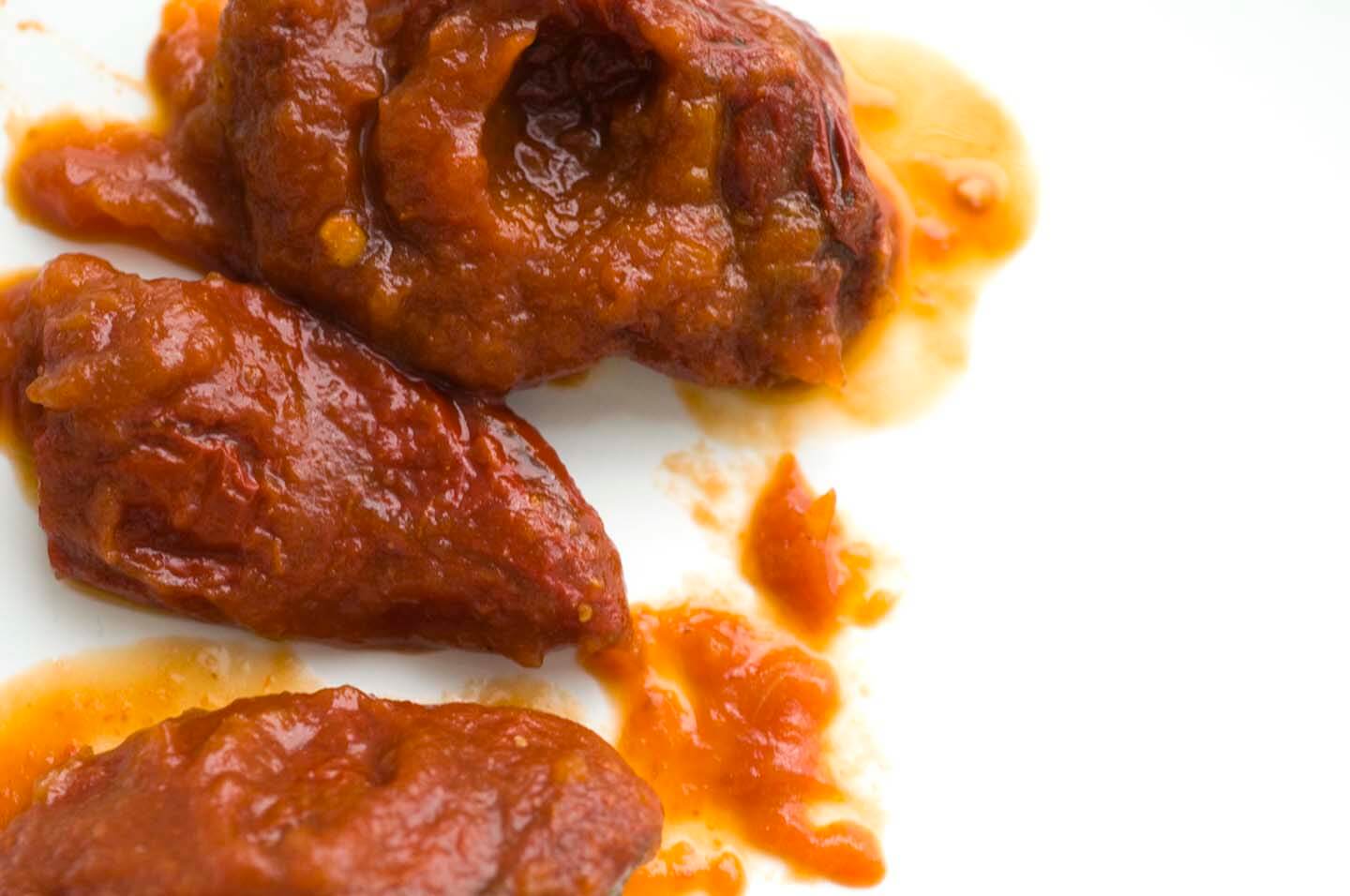
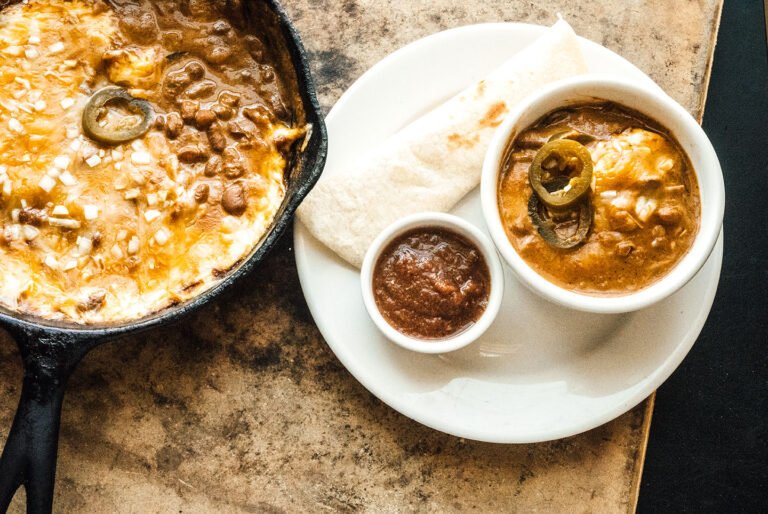
Black beans are another Austin Tex-Mex distinction. It was in Austin that I first saw black beans served in queso. It was also the first time I saw them served alongside tacos or enchiladas, instead of the more typical refried pinto beans.
This isn’t to say that you can’t find refried pinto beans in Austin, because there are many fine, fine examples of this noble dish. But, I found that Austin’s Tex-Mex could be a little quirky and so black beans would be on offer more often than I’d see them in Houston-style Tex-Mex or Dallas-style Tex-Mex.
I wasn’t a stranger to black beans. My mom fed me all sorts of beans when I was growing up in Houston and black beans graced our table probably once a week. But there was something about black beans that made me feel they were more upscale. Perhaps it was the color of the bean (black is always stylish!) or perhaps it was its more diminutive size, but I adored black beans just as much as my beloved pintos.
I know I’ve written a lot about beans lately—and if you’re not a bean eater, I apologize. I reckon you could say it’s the grim economy that has me returning to beans so frequently—they are, after all, such a healthy, inexpensive protein.
But as beans have been a staple of my diet my whole life, I also just really enjoy cooking and eating them. And since they’re what I had for dinner last night, I thought I’d share them with you.
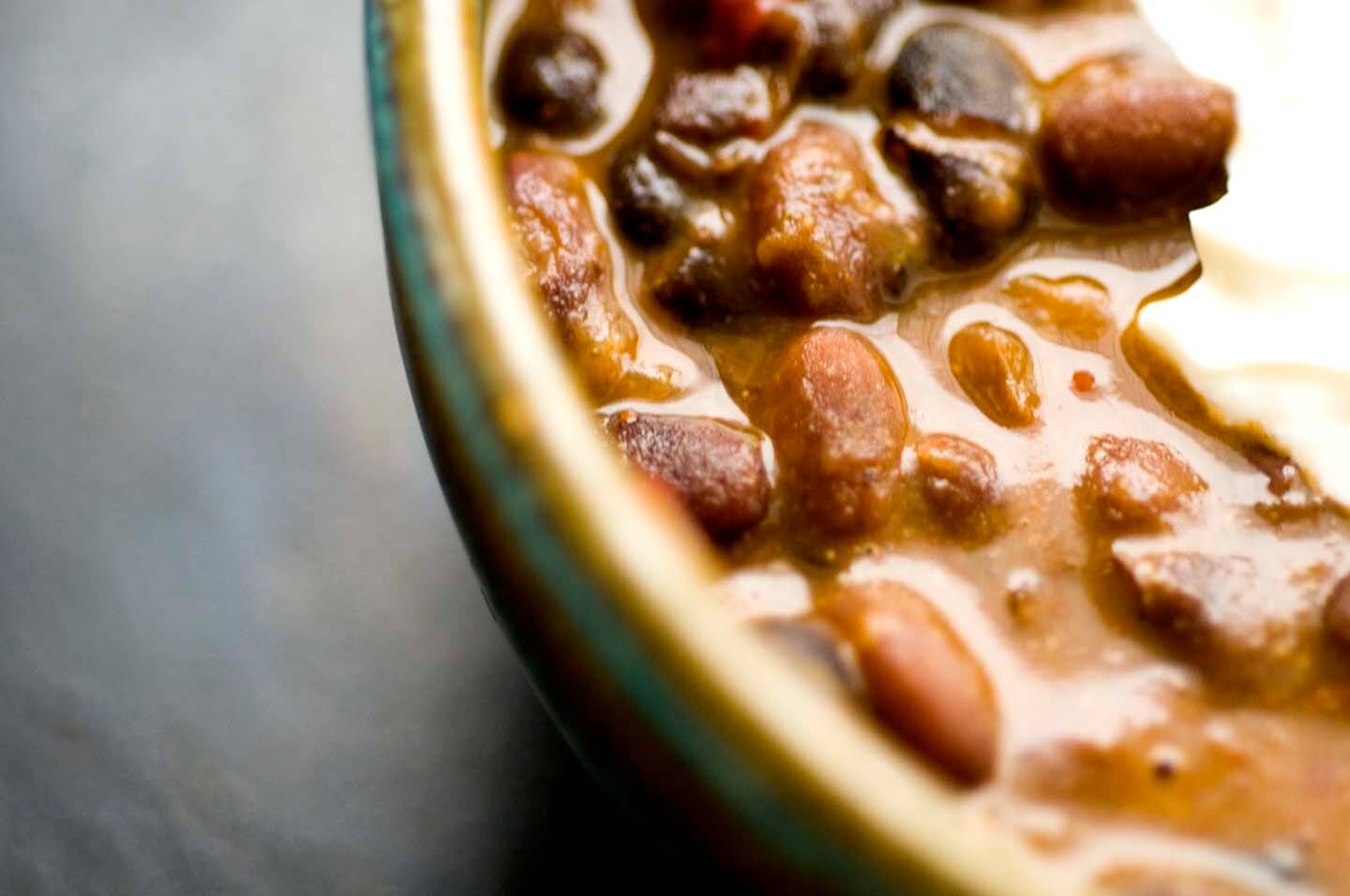
This is my basic black bean recipe. It takes little effort and has a rich smoky flavor that comes from chipotles instead of the usual ham hocks or bacon. And, of course, if you don’t want black beans on their own, they are also good in black bean chili, corn and black bean salsa, black-bean pasta, and black-bean enfrijoladas.
Basic black beans
Ingredients
- 1 pound dried black beans
- 1 carrot, diced
- 1 onion, diced
- 1 tablespoon canola oil
- 4 cloves garlic, minced
- 4 chipotles chiles in adobo, chopped
- 1 tablespoon epazote or 2 sprigs fresh
- 1/2 cup chopped cilantro
- 1/2 teaspoon ground cumin
- 1 tablespoon tomato paste
- 1/4 cup freshly squeezed lime juice
- 6 cups water
- 2 cups chicken or vegetable broth
- Salt
Instructions
- Soak the beans covered in water—either overnight or the quick soak method in which you place the beans in a pot, cover with water, bring to a boil, cover and remove from heat and let sit for 1 hour.
- Drain the soaked beans.
- In the pot you’re going to cook the beans, sauté the onions and carrots in your preferred fat for 10 minutes and then add the garlic for 1 minute. Add the beans, chipotles, epazote and half the cilantro.
- Cover beans with water and chicken broth, bring to a boil, and then reduce heat to low (liquid may still be moving and all the ingredients may still be jumping around the pot, just not as vigorously as when the heat is high. That’s fine.). Stir occasionally.
- After 1 1/2 hours, add the cumin, tomato paste, lime juice, salt, and remaining cilantro and cook for 30 more minutes or until beans are tender. At this point, smash a few against the side of the pot with a spoon to thicken the broth a bit, stir the pot and serve.

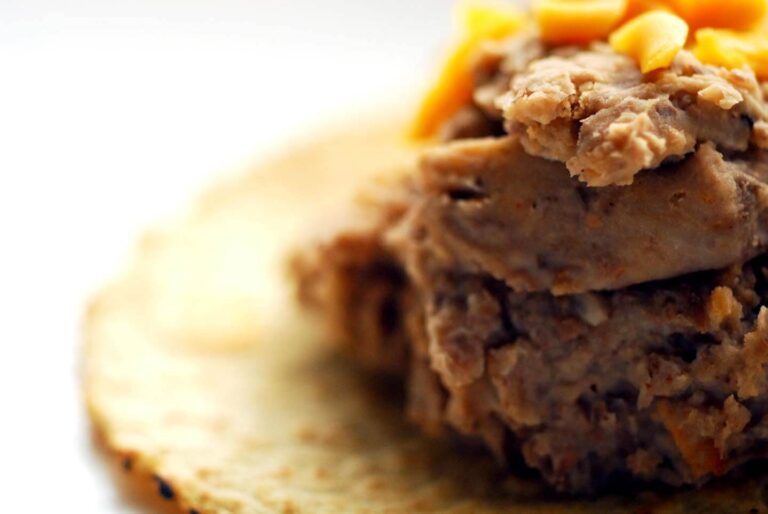
I thought I noticed an odd thing about black beans: acidic additions such as lime juice or vinegar will turn the beans a bit redder. No sour flavorings and they will tend to stay dark black. This intrigued me and one day I had a little red wine in the bottom of a glass and I added a pinch of baking soda (to neutralize the slight acidity in the wine) and watched as the red color of the wine turned dark, into the color of black beans.
Homesick Texan – Zuzu's by SMU is now a Chick-fil-A, a fancy college Chick-fil-A (no drive thru or kiddos area), but there is one in our neck of the woods – Mockingbird & Abrams – Lakewood.
Oddly enough, I knew about migas from some place other than Austin. The IHOP in Lubbock, TX serves migas, and a friend used to always order them for dinner/breakfast/midnight meal/whatever when we’d go there to study or hang out over some greasy diner food since it was one of the few places open at 2AM.
I love black beans – but pintos are still my favorite. Of course here in NE, they are both foreign foods.
Missing Texas – thanks for the smile.
JO
Migas are not a special dish of austin. They serve them everywhere in Houston, even diners (house of pies!). Sometimes they are called chilaquiles…which i know you’ll say “that’s not the same thing”, but i had this issue with your migas post too.
I’ve recently noticed we don’t seem to care too much about semantics in texas. Any place that’s not a taqueria serves chilaquiles that are clearly not chilaquiles, they are migas. I would say 9 times out of 10 chilaquiles in texas are migas.
Just like 5 times out 10 kolaches in texas are klobasnek.