
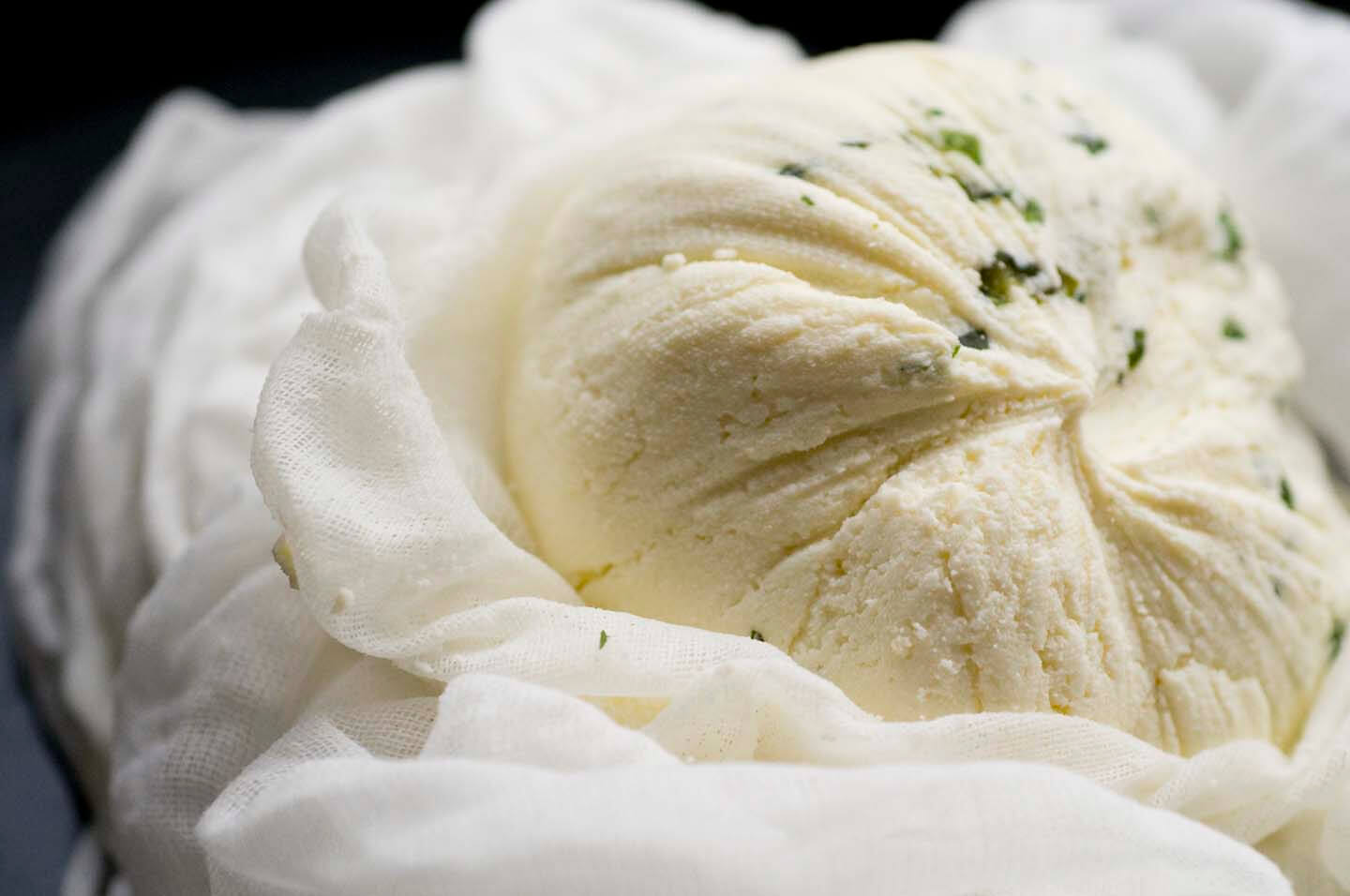
Homemade cheese: queso blanco
What if I told you that making cheese required nothing more than a gallon of milk, a few limes and a cheese-cloth—would you believe me? OK, you might want to use a thermometer if you’re feeling scientific, but you don’t have to use one. Yep, with as much effort as it takes to go to the store, you can soon impress your friends with your homemade queso blanco.
After reading about Barbara Kingsolver’s cheese-making adventure in “Animal, Vegetable, Miracle,” I knew it was something I definitely wanted to try—she made it sound so easy! But as I started doing research on making cheese, I realized that there were certain ingredients I would need to make most of the cheeses I wanted to create. Strange ingredients—such as rennet, calcium chloride, tartaric acid, and mesophilic culture—that you won’t find at your local supermarket.
You can order these supplies online, but when I’m bitten by a bug I require instant gratification. And I was determined to make cheese right at that moment.
Enter queso blanco. This simple cheese doesn’t call for those other ingredients. And while the end result may not be as creamy as Brie, as smoky as Gouda or as nutty as Manchego—the end result is still recognizably cheese and a darn tasty one at that.
Now, queso blanco won’t melt, but you can slice it and fry it in your skillet, crumble it into your refried beans, wrap bacon around it and bake it, spread it on crusty bread or toss it with some vegetables and salsa. Because it’s not aged, it has a neutral flavor like mozzarella, but I like to add herbs, spices and chiles to punch it up a bit.
And if you’re anything like me, you’ll be completely intrigued with making cheese and will order the supplies to take it to the next level. So yes, if you were wondering, that is indeed a packet of rennet on my counter.
Queso blanco
Ingredients
- 1 gallon gallon whole milk
- 1/2 cup freshly squeezed lime juice
- 1 teaspoon kosher salt
Instructions
- Heat the milk in a non-aluminum pot on medium-low heat for about 10 minutes or until it looks like it’s just about to boil (but don’t let it boil!). If you’re using a thermometer, the temperature should be 185° F.
- Add the lime juice. The curds will separate from the whey and the mixture will look grainy, kind of like you’ve just thrown a bunch of corn meal into a pot of skim milk. Let it simmer for a couple of minutes.
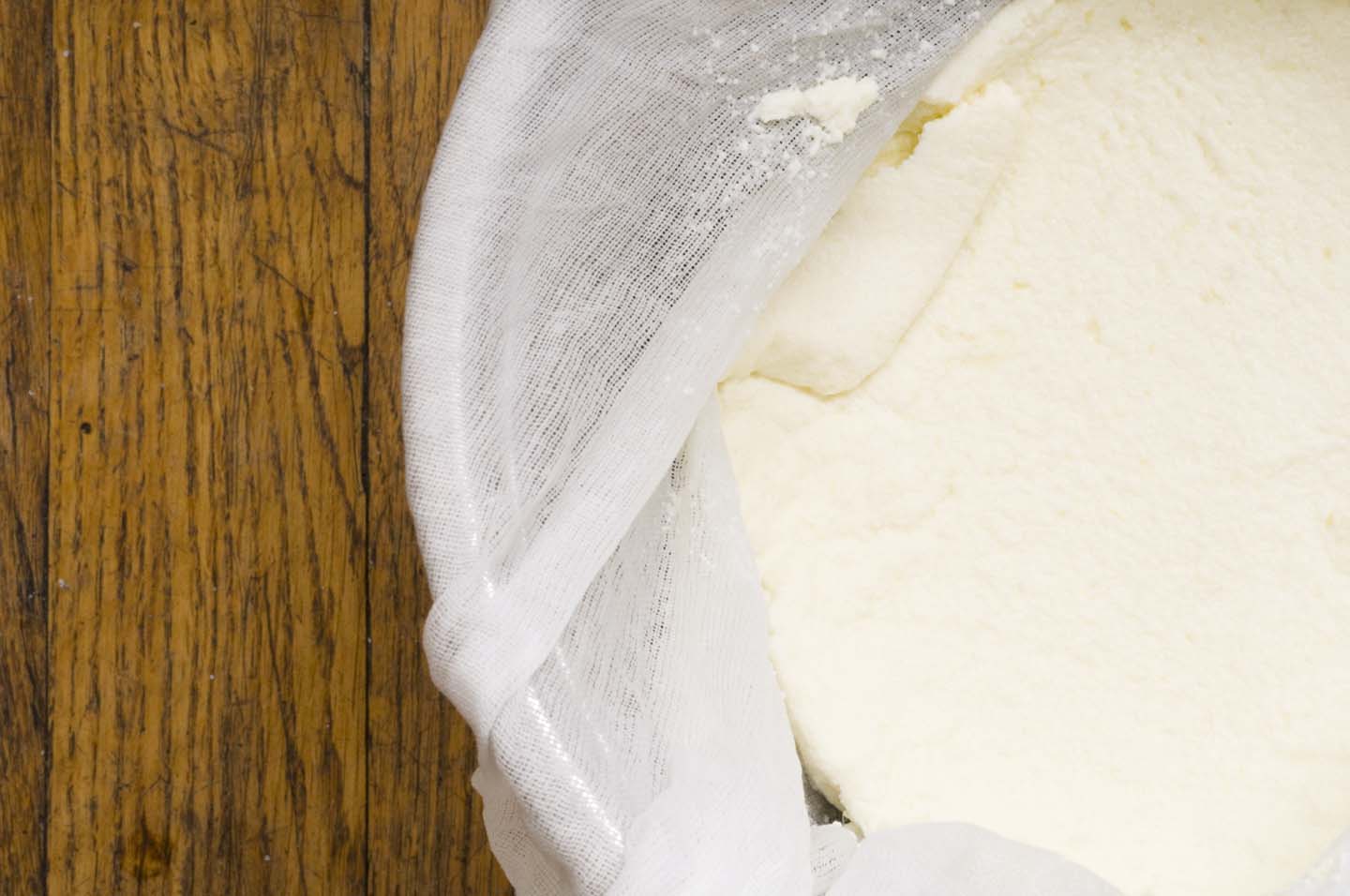
- Pour the pot’s contents into a cheesecloth-lined colander and let it drain for a couple of minutes. (If you want to save the whey so you can use it to make ricotta, feed your plants or add a bit of protein to your morning oatmeal, place the colander over a pot.)
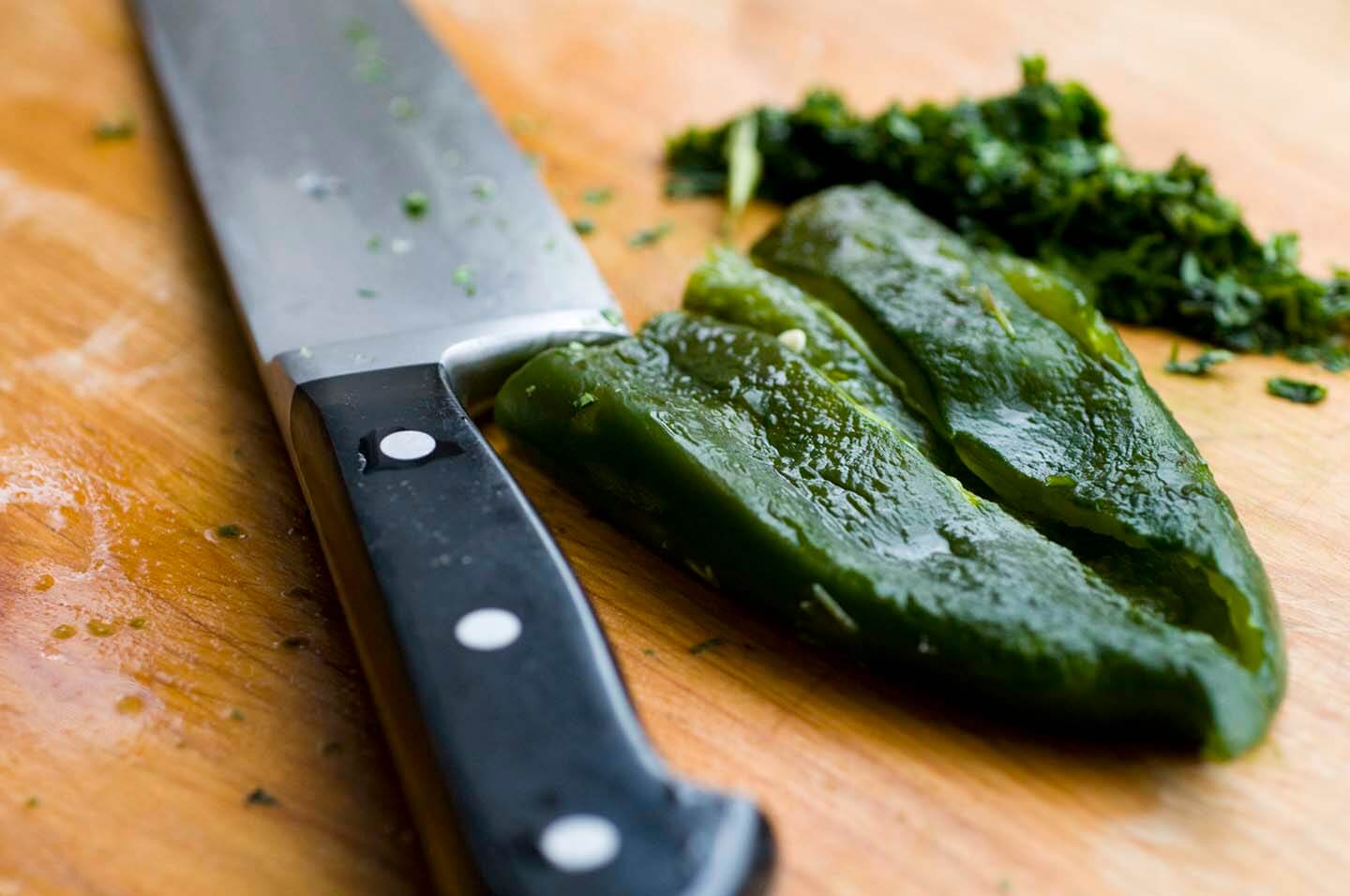
- Sprinkle the curds with salt (you can go saltier than you normally would as a lot of the salt will drain from the cheese as it dries). Now is the time to add any herbs, spices and/or chopped chiles if you like. Anything goes!
- Gather the curds in the center, tie the cheesecloth’s ends and hang the cloth on the faucet so it can drain for a few hours. I like to drain it for at least 4 hours, overnight if I’m patient.
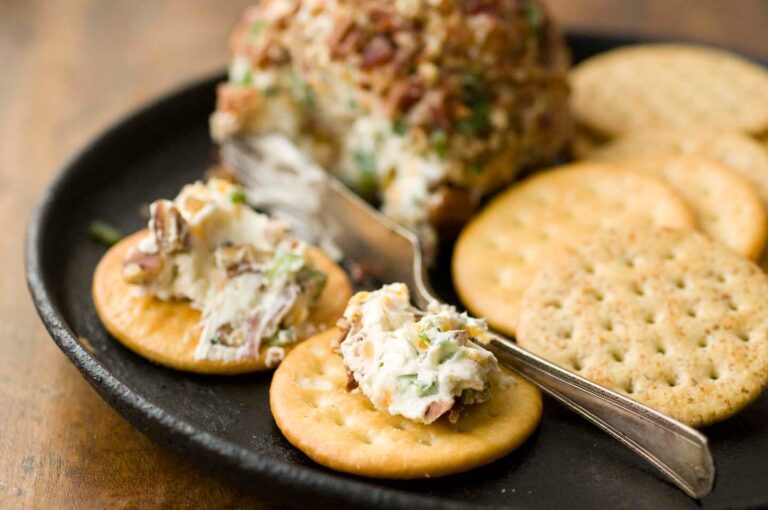
- Untie the cheesecloth, and look at that gorgeous white ball. You’ve made about 16 ounces of cheese! It keeps in the refrigerator for as long as the milk would have kept, so please check your expiration date.


I tried making the cheese this weekend while on a girls trip with my sisters and mother. We read the book for our family book club and thought it was a perfect activity for us.
We added roasted poblanos. It was good but a bit lime-y. Maybe we used too much lime juice?
Screwed Up Texan–You are now a cheese maker! Wear that honor with pride!
Matt C–It is easy, enjoy!
Sarah–Glad you gave it a try but I'm sorry you didn't like the lime flavor. Perhaps I just like the lime flavor more than you. You can certainly use less lime juice and more vinegar to make the curds if you prefer.
Made this cheese on Saturday with Hatch Green Chilis (roasted) … so fantastic!
It's a perfect "football" snack, which goes nicely with some Burnt Orange and crackers (and surprisingly, pretzels)!
Who knew it could be this easy!
(Thank you Matthew Amster-Burton for pointing me to this blog!)
For some reason, I can't seem to find milk that isn't ultrapasturized. I wonder how it would turn out using all buttermilk?
Sassy Molassy–It would be great with buttermilk. And because buttermilk is already acidic, you wouldn't have to use as much lime juice.